Tanzania stands as the strategic gateway to East and Central Africa. With the Port of Dar es Salaam serving as a vital hub for landlocked neighbors like Zambia, Rwanda, Burundi, and the Democratic Republic of Congo (DRC), the demand for high-performance heavy-duty transport is relentless. In this competitive landscape, the HOWO tractor (widely recognized by its Chinese names 豪沃车头 / 豪沃牵引车) has emerged as the undisputed backbone of the Tanzanian logistics and construction sectors. This comprehensive guide explores why SINOTRUK HOWO dominates the local market and how you can select the perfect configuration for your fleet.
Who Needs a SINOTRUK HOWO Tractor in the Tanzanian Market?
The Tanzanian transport industry is characterized by harsh terrains, long-distance cross-border routes, and a climate that tests the limits of any cooling system. The primary users of the howo tractor include:
- Long-Haul Logistics Providers: Companies moving dry containers or fuel tankers from Dar es Salaam to Lusaka, Lubumbashi, or Kigali require high-uptime vehicles.
- Construction and Mining Contractors: Operators in the Lake Zone (Mwanza, Geita) or Southern Highlands (Njombe, Iringa) need the HOWO Tractor Truck for moving heavy machinery and bulk minerals.
- Individual Owner-Operators: Local entrepreneurs who prioritize a low howo tractor price and high resale value to build their transport businesses from the ground up.
- Government and Infrastructure Projects: Large-scale road and rail projects require reliable tractor units for moving oversized bridge girders and heavy equipment.
For these professionals, the pain point is clear: downtime is the ultimate profit killer. Tanzanian roads, such as the Arusha-Namanga corridor or the central route to Dodoma, demand a truck that combines mechanical simplicity with structural resilience. This is where SINOTRUK’s expertise in the African heavy machinery market becomes evident.

What are the Technical Specs of the HOWO Tractor Series?
The "HOWO Tractor Truck" is not a single product but a diverse family of vehicles designed for specific load and road conditions. Understanding the technical nuances is the first step toward a smart purchase. The three most popular series in Tanzania are the HOWO NX, the HOWO TX, and the flagship HOWO T7H.
The HOWO NX and TX: The Versatile Workhorses
The NX and TX series are the most common sights on Tanzanian highways. They balance modern comfort with a high-strength chassis reinforcement. These models often feature the legendary Weichai engine, which is preferred by local mechanics for its ease of maintenance and resistance to varying fuel qualities.
The HOWO T7H: For High-Efficiency Logistics
For fleets that prioritize fuel consumption per 100km and driver retention, the T7H is the premium choice. It often utilizes MAN technology (MC series engines) and advanced aerodynamics to reduce drag, making it ideal for the high-speed transit corridors connecting Dar es Salaam to the inland.
Technical Comparison: 6x4 vs. 4x2 Configurations
In Tanzania, the 6x4 axle configuration is the gold standard for heavy-duty transport. While a 4x2 tractor may offer a lower howo tractor price, the 6x4 provides the necessary axle load capacity and traction to navigate the mud during the rainy season and the steep inclines of the Rift Valley. A 6x4 "HOWO Tractor Truck" typically features a reinforced VGD95 front axle and HC16 or MCP16 drive axles with differential locks.
Comprehensive Specifications Table
| Feature | HOWO NX (Economic) | HOWO TX (Standard) | HOWO T7H (Premium) |
|---|---|---|---|
| Engine Type | Weichai WP10.340 / WP12.400 | Weichai WP12.430 / MC11 | SINOTRUK MC11 / MC13 |
| Horsepower | 340HP - 400HP | 400HP - 440HP | 430HP - 540HP |
| Axle Configuration | 6x4 / 4x2 | 6x4 | 6x4 |
| Transmission | HW19710 (10-speed) | HW25712 (12-speed) | ZF16S / HW25712 |
| Fuel Tank Capacity | 400L + 400L (Optional) | 600L Aluminum | 600L + 400L Dual Tank |
| Chassis Type | Double Layer (8+5mm) | Reinforced High Strength | Lightweight / High Strength |
When is the Best Time to Replace or Upgrade Your Fleet?
Operating a heavy-duty truck in Tanzania involves managing the vehicle lifecycle against the harsh tropical climate. Heat, humidity near the coast, and dust in the interior accelerate the wear of rubber components and filtration systems.
The Replacement Cycle and Seasonal Demand
- The 5-Year Benchmark: For long-haul logistics (Dar to Zambia), many top-tier firms replace their "HOWO Tractor Truck" every 500,000 to 600,000 kilometers to maintain high reliability and minimize major engine overhauls.
- Peak Harvesting Season: Between June and October, the demand for transport spikes due to the agricultural harvest. Fleet expansion should ideally happen in the first quarter to ensure vehicles are broken in and drivers are trained before the peak.
- Infrastructure Cycles: With the expansion of the SGR (Standard Gauge Railway) and new road links to Malawi, now is the time to invest in 6x4 tractor units that can complement rail logistics for "last-mile" delivery of heavy bulk goods.
Where Should You Deploy Your HOWO Tractor Units?
Geographical suitability is the hallmark of (Experience, Expertise, Authoritativeness, Trustworthiness) in the transport industry. Tanzania’s diverse landscape means one spec does not fit all.
The Coastal Corridor (Dar es Salaam to Chalinze)
In this humid environment, rust prevention is key. Ensure your howo tractor has high-quality anti-corrosion coating on the chassis. The stop-and-go traffic near the port requires a robust clutch and an intercooler capable of handling high ambient temperatures.
The Great North Road and Southern Highlands
If your HOWO Tractor Truck is operating toward Arusha or Mbeya, engine braking (EVB) and retarder systems are non-negotiable. The steep descents require a truck that can safely manage heavy loads without overheating the service brakes. The 6x4 configuration with a high axle ratio is essential here for climbing torque.
Why Does SINOTRUK HOWO Lead the Market Over European Brands?
While European brands have a presence, the howo tractor price and the ecosystem surrounding the brand give it a decisive edge in Tanzania.
The Authoritativeness of Sinotruk in East Africa
SINOTRUK Group has spent decades localized in Africa. Unlike some competitors, HOWO spare parts in Tanzania are available in almost every major town, from Tunduma to Mwanza. This ubiquity ensures that if a truck breaks down in a remote village, a mechanic likely has the experience and the parts to fix it. Furthermore, the use of Euro II and Euro III emission standards makes these trucks more tolerant of the sulfur content found in some regional diesel supplies, preventing the frequent DPF/SCR failures seen in Euro VI vehicles.
How to Safely Buy and Maintain a HOWO Tractor in Tanzania
Building Trustworthiness with your supplier is vital when importing or buying locally. Follow this "How-to-Buy" guide to ensure your investment is protected.
Step 1: Verification of Authenticity
The market for "HOWO Tractor Truck" is large, which unfortunately attracts counterfeit or poorly refurbished units. Always check the VIN (Vehicle Identification Number) against SINOTRUK’s official database. Look for the "Golden Prince" or "HOWO" branding on the engine block and transmission housing.
Step 2: Inspections and Logistics
If importing, ensure the vehicle undergoes a TBS (Tanzania Bureau of Standards) inspection. For used or refurbished units, pay close attention to the fifth wheel coupling wear and the integrity of the chassis reinforcement. Check for leaks in the hydraulic system and air brake lines.
Maintenance Protocol for the Tanzanian Environment
- Air Filtration: Change air filters every 10,000km in dusty regions. A clogged filter will drastically increase fuel consumption.
- Oil Quality: Use high-grade lubricants that can handle the high sulfur content of regional fuel.
- Tire Pressure: Heat build-up on the Dar-Morogoro highway can lead to blowouts. Daily pressure checks are mandatory.
- Axle Lubrication: Ensure the planetary gears in the hub reduction axles are adequately lubricated every 30,000km.
Step 3: Financing Your Truck
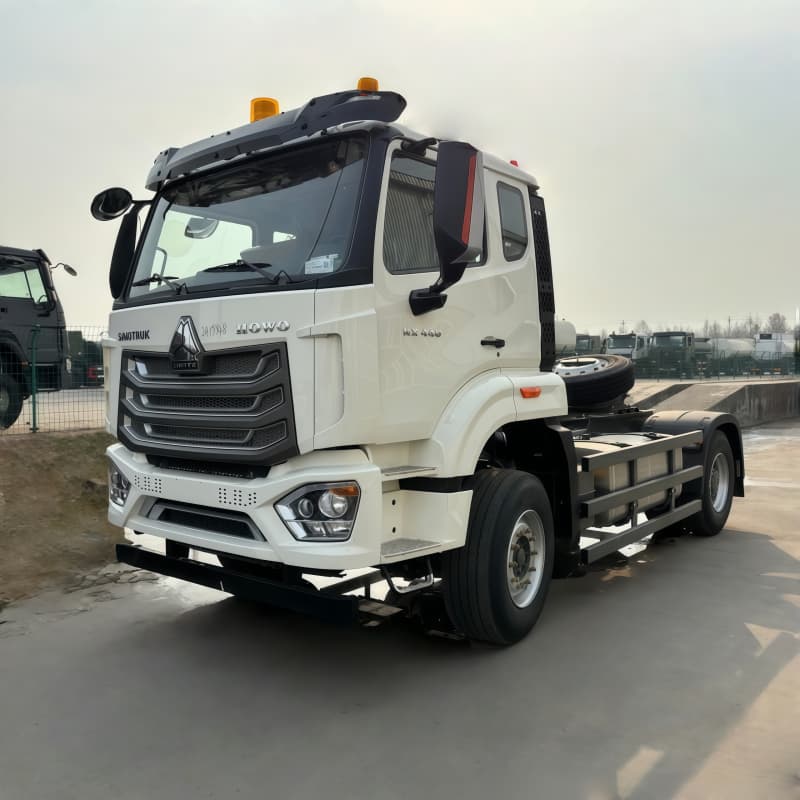 |
HOWO NX Tractor Truck 440HP 4x2 |
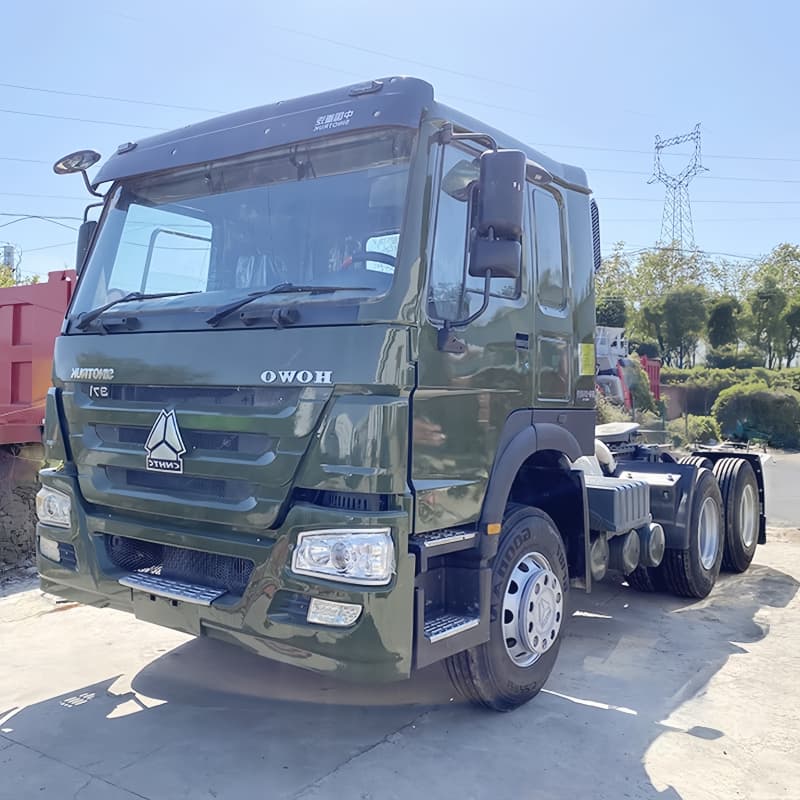 |
HOWO Tractor Truck 371HP 6x4 Select Color |
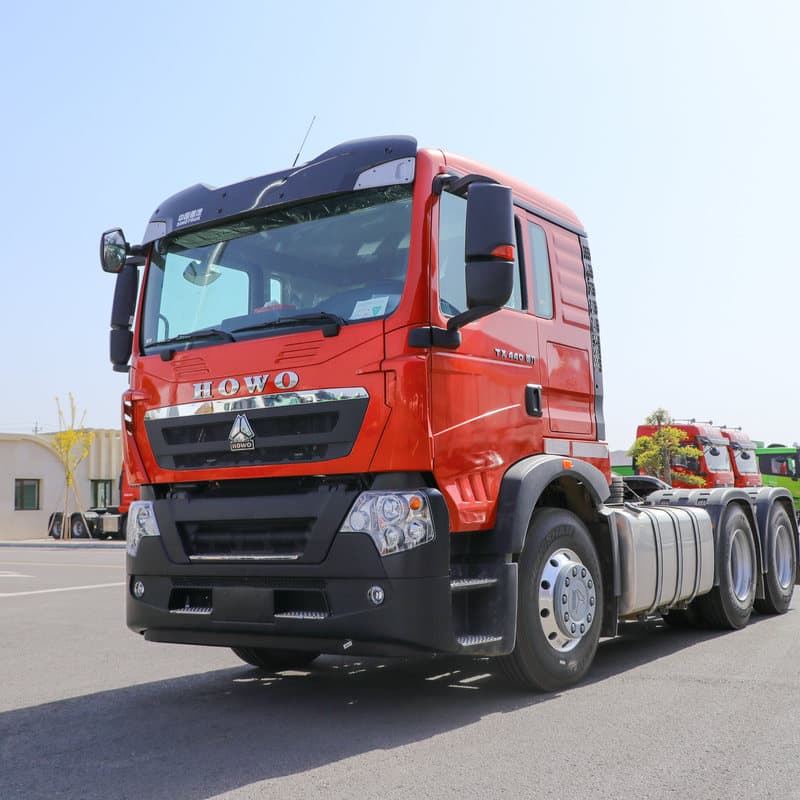 |
HOWO TX Tractor Truck 430HP/440HP 6x4 |
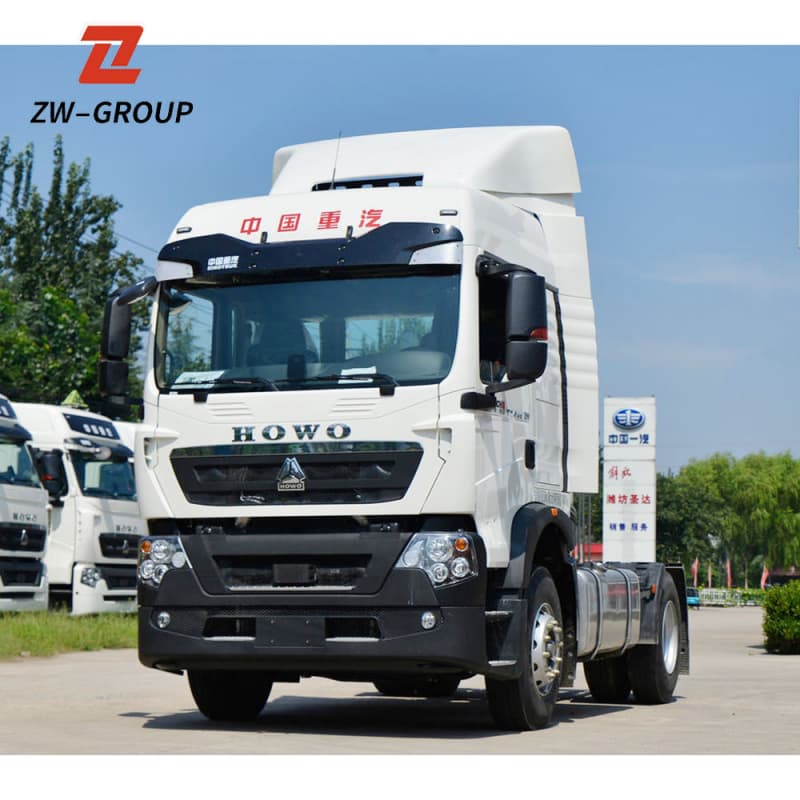 |
HOWO TX Tractor Truck 400HP 6x4 |
Frequently Asked Questions (FAQ)
How to verify a genuine SINOTRUK HOWO in Tanzania?
Verify the VIN plate located on the chassis rail and inside the door frame. Genuine units will have SINOTRUK labels on key components like the Weichai or MC engine, the HW transmission, and the drive axles. It is highly recommended to buy from authorized distributors who provide a factory warranty and a certificate of origin.
What is the actual fuel economy for a 420HP 6x4 on the Dar-Zambia route?
With a full load (approx. 40-50 tons GCM), a well-maintained HOWO 6x4 with a Weichai 420HP engine typically consumes between 35L to 45L per 100km. This varies significantly based on driver behavior, road conditions in the Southern Highlands, and the age of the vehicle. Using the cruise control and maintaining steady RPMs in the "green zone" can optimize these figures.
Are Euro II or Euro III engines better for Tanzanian fuel quality?
In Tanzania and neighboring DRC/Zambia, Euro II and Euro III engines are generally preferred over higher Euro IV/V/VI versions. This is because they are mechanically simpler and do not require AdBlue (DEF). More importantly, they are far more resilient to high-sulfur diesel, which can cause expensive damage to the sensitive sensors and after-treatment systems found in newer emission-standard engines.
Where can I find reliable after-sales service in Mwanza or Arusha?
Mwanza and Arusha are major transport hubs with numerous SINOTRUK-specialized garages. For official service, look for dealerships located along the main highway entries to these cities. Many fleet owners also keep their own mobile service teams that carry essential HOWO spare parts (filters, belts, sensors) to handle minor repairs on the road between Dar es Salaam and the lake zone.