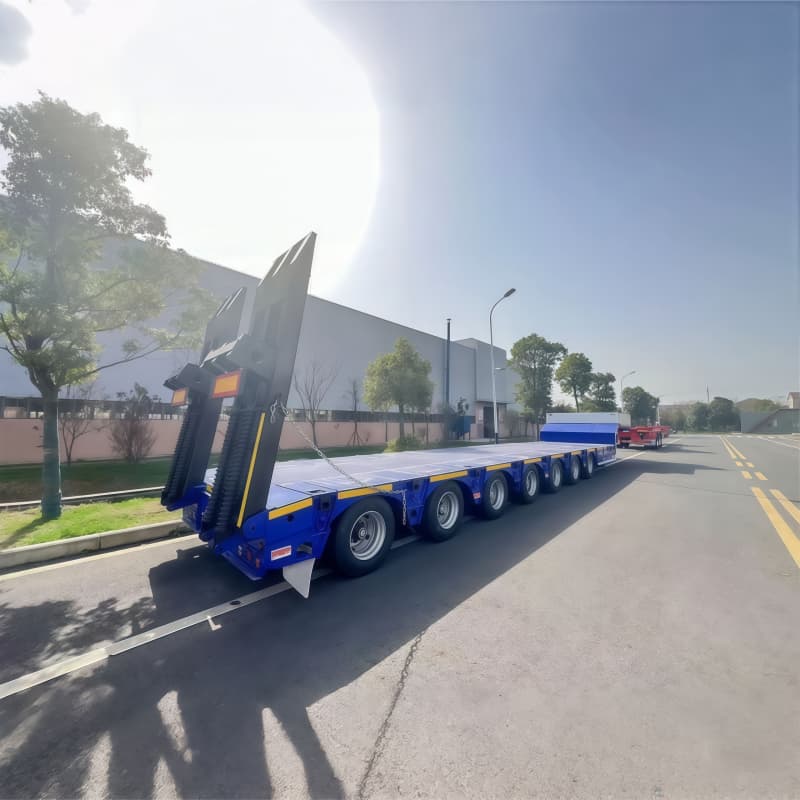
How to Select the Ideal Extendable Lowbed Trailer for Heavy Machinery Logistics in Cameroon?
2026-09-16
Navigating heavy cargo logistics in Cameroon—from the busy port terminals of Douala to interior infrastructure, timber, and mining projects—requires highly adaptable transport equipment. An extendable lowbed trailer delivers the structural strength and adjustable deck dimensions needed to move massive, over-dimensional loads safely across varying road conditions. What Is an Extendable Lowbed Trailer and How Does It Operate? An extendable lowbed trailer (also known as a telescopic lowboy trailer) is specialized heavy-haul equipment designed with a length-adjustable main deck. Built around a robust telescopic center beam, the trailer deck can extend from its compact standard length (such as 13.5 meters) up to 17 meters or longer depending on cargo requirements. This dynamic adjustment allows transport companies to switch easily between standard equipment haulage and extra-long cargo transport using a single trailer chassis. The extension mechanism utilizes high-strength pneumatic or hydraulic locking pins that secure the inner beam into pre-machined slots along the outer frame. Made from high-tensile steel (such as HG60 or Q690), the main chassis resists bending and torsional flex even when fully extended under high-tonnage loads. Extendable Lowbed Trailer 13.5m-17m 140t 7 Axles Blue High-capacity extendable lowbed trailer designed for heavy-duty machinery transport. View Product Details → Extendable Lowbed Trailer 13m-16m 120t 6 Axles Red Reliable 6-axle extendable lowbed trailer suitable for oversized equipment loads. View Product Details → Telescopic Main Beam: Easily adjusts to various cargo lengths with heavy-duty locking positions. Ultra-Low Deck Height: Maintains a low center of gravity for maximum vehicle stability on challenging transport routes. Heavy-Duty Ramp Systems: Reinforced mechanical or hydraulic loading ramps allow easy access for tracked excavators, cranes, and heavy earthmovers. Who Needs Extendable Lowbed Trailers in Cameroon's Industrial Sector? Heavy transportation operators, civil engineering contractors, forestry logistics firms, and energy sector companies across key hubs like Douala, Yaoundé, Garoua, and Kribi...
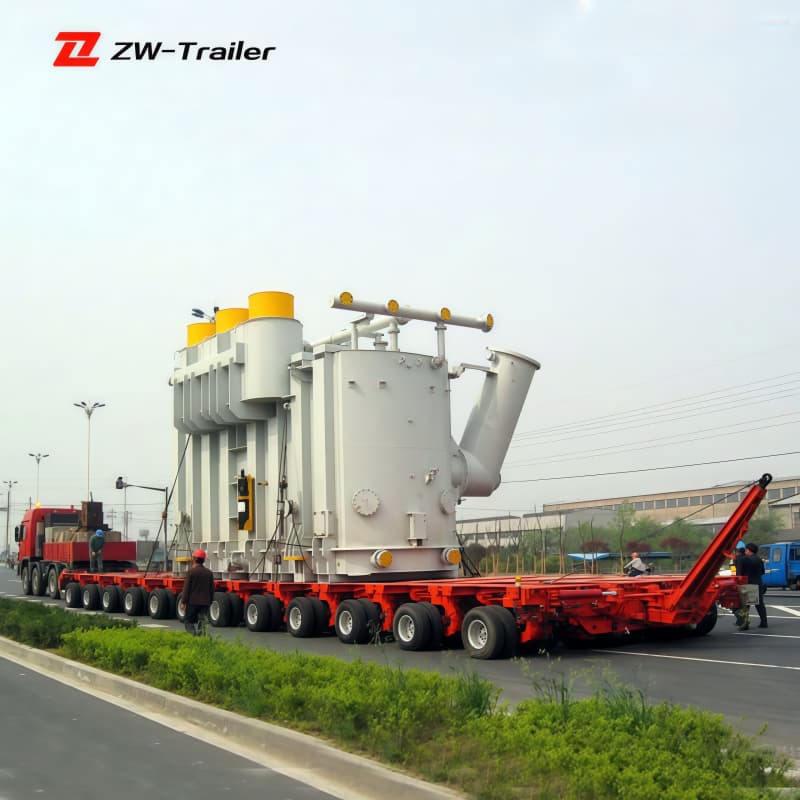
How Can Hydraulic Modular Trailers Transform Heavy Haulage Infrastructure Projects in Cameroon?
2026-09-02
Heavy cargo logistics across Central Africa demand specialized transport solutions capable of handling massive payloads over challenging terrains. In Cameroon, the rapid expansion of hydroelectric infrastructure, deepwater port expansions, and regional transit corridors has made the procurement of advanced heavy haulage machinery critical for logistics operators, construction firms, and state departments. Key Insights for Cameroonian Heavy Haulage Buyers Hydraulic modular trailers offer flexible axle combinations, high payload distribution, and controlled steering systems specifically designed for extreme transport demands, such as moving turbines, heavy transformers, and bridge girders across Cameroonian transit routes. Self-Propelled Modular Transporter Hydraulic Semi Trailer 12 Axles Featuring advanced self-propelled technology and independent steering, designed for transporting super-heavy industrial machinery and oversize loads. View Product Details → Goldhofer Hydraulic Modular Semi Trailer 200t-500t 12 Axles Engineered for heavy-duty logistical challenges, this 12-axle hydraulic modular trailer supports load capacities ranging from 200 to 500 tons with maximum stability. View Product Details → Nicolas Modular Removable Gooseneck Hydraulic Semi Trailer 10 Axles Equipped with a detachable gooseneck and 10 axles, this hydraulic modular trailer offers seamless loading and exceptional maneuverability for heavy construction equipment. View Product Details → What Is a Hydraulic Modular Trailer and How Does It Function? A hydraulic modular trailer, often referred to as a multi-axle heavy hauler, is a specialized transport platform built from individual axle modules. These modules can be combined both longitudinally and laterally to match the specific dimensions and weight of extreme payloads. Hydraulic Suspension System: Automatically compensates for uneven road surfaces, keeping the cargo level and preventing rollover risks. All-Wheel Steering Dynamics: Mechanical or electronic steering linkages allow tight turning radiuses on narrow city roads and port terminals. Modular Flexibility: Modules with 2 to 6 axle lines can be coupled using hydraulic pins and quick-connect couplings. High Load Bearing: Designed to support...
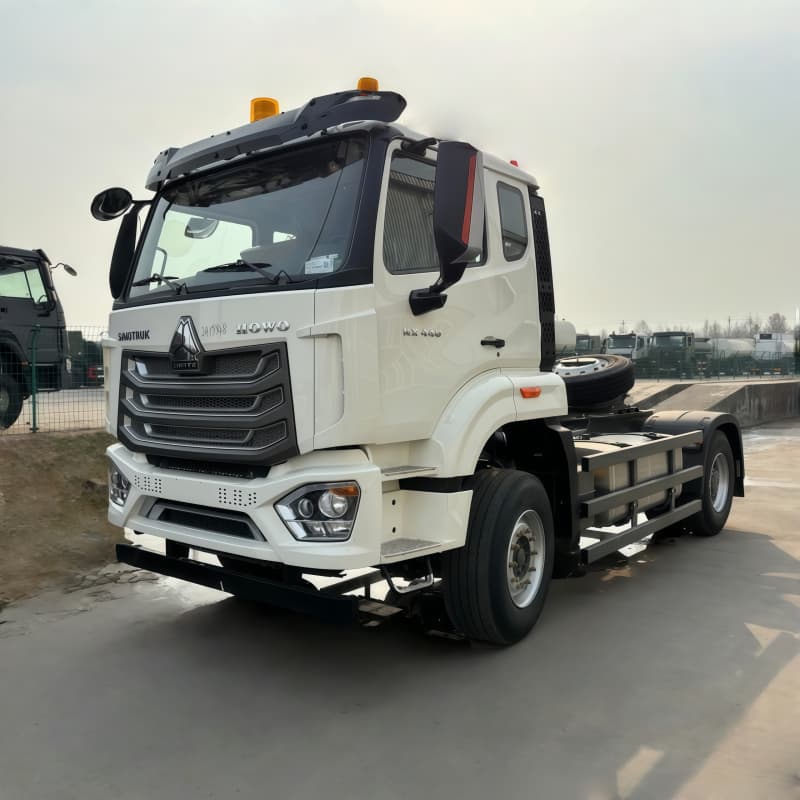
Why Is Howo Tractor Truck the Top Choice for Heavy Transport in Nigeria?
2026-08-19
Fleet operators, haulage logistics contractors, and construction managers across Nigeria face demanding road conditions, long interstate transit corridors, and heavy payload requirements. Selecting the right prime mover determines operational profitability and maintenance longevity. The Howo tractor truck manufactured by SINOTRUK has established a commanding market presence in West Africa, serving as the backbone for heavy cargo logistics from Apapa Port in Lagos to inland commercial hubs like Kano, Kaduna, and Abuja. What Makes the Howo Tractor Truck Essential for Nigerian Freight Haulage? A Howo tractor truck—often referred to locally as a Howo trailer head or prime mover—is a heavy-duty commercial vehicle engineered to pull semi-trailers loaded with containers, bulk construction materials, fuel tankers, and agricultural goods. Built around reinforced steel chassis frames and high-torque powertrains, these trucks are specifically configured to endure rough road topographies, extreme heat, and heavy continuous operations. The core power architecture relies on proven powertrain configurations, notably the WD615 series engine and Weichai power units paired with SINOTRUK's HW19710 10-speed or 12-speed manual transmissions. These powertrains deliver high low-end torque essential for starting fully laden trailers on steep inclines without straining mechanical components. HOWO NX Tractor Truck 440HP 4x2 Equipped with a powerful 440HP engine and efficient 4x2 drivetrain, delivering outstanding fuel efficiency and reliability for regional logistics operations. View Product Details → HOWO TX Tractor Truck 380HP 6x4 A robust 6x4 tractor truck designed for heavy-duty hauling, combining a dependable 380HP engine with superior chassis durability. View Product Details → HOWO T7H Tractor Truck 430HP/500HP 6x4 Features high-horsepower performance up to 500HP, engineered for long-haul transportation with optimal cab comfort and safety standards. View Product Details → HOWO Max Tractor Truck 510HP 6x4 Gray High-end flagship model packing a powerful 510HP engine, exceptional power output, and advanced ergonomic interior features. View Product Details → Heavy-Duty...
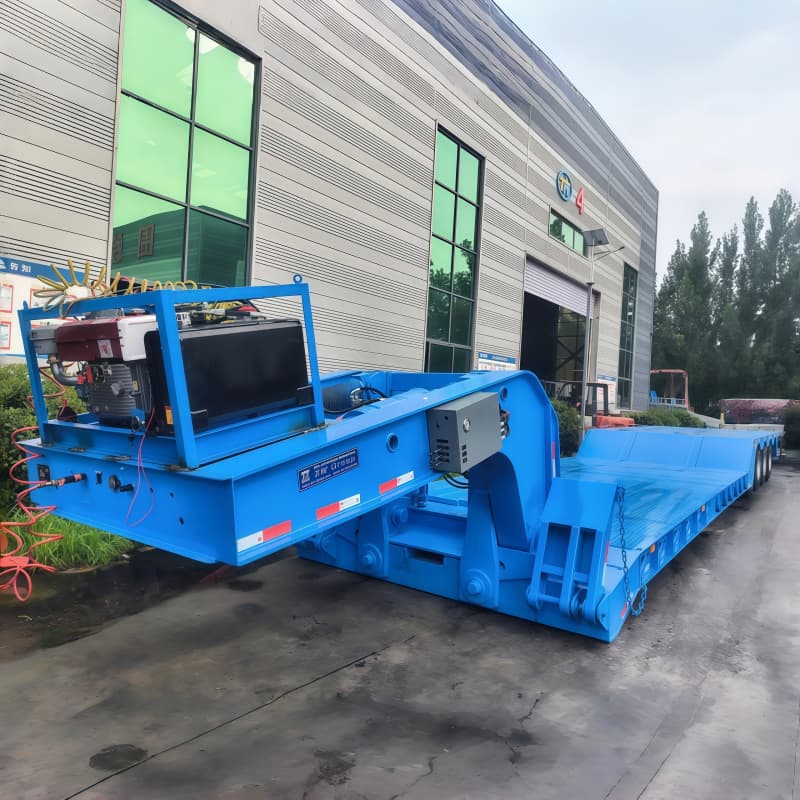
Why Choose a Removable Gooseneck Trailer for Heavy Equipment Transport in Nigeria?
2026-07-29
Transporting heavy construction and mining machinery across West Africa demands reliable, safe, and efficient haulage equipment. A Removable Gooseneck Trailer (often referred to as an RGN or detachable lowboy) is specifically engineered to solve the toughest heavy-haul challenges on demanding roads. What Is a Removable Gooseneck Trailer and How Does It Work? A Removable Gooseneck Trailer is a specialized low-bed semi-trailer designed with a detachable front section. Unlike fixed gooseneck lowboys where equipment must climb over high rear axles or ramps, an RGN allows the front neck to detach mechanically or hydraulically from the main deck. Once the gooseneck is detached and lowered to the ground, the front deck serves as a built-in low-incline ramp. Heavy wheeled or tracked equipment—such as excavators, crawler cranes, and bulldozers—can drive directly onto the deck from the front at ground level. After loading, the gooseneck re-attaches, lifts the deck into travel position, and connects securely to the tractor kingpin. Hydraulic Detachment: Powered by an engine pony motor or tractor hydraulics for smooth lowering and raising. Ultra-Low Deck Height: Offers low ground clearance to pass under overpasses and overhead power lines safely. Heavy Payload Ratings: Available in 50-ton, 60-ton, 80-ton, and up to 100+ ton multi-axle configurations. Removable Gooseneck Semi Trailer 85t 4 Axles Blue Designed for heavy-duty construction and machinery transport, this 85-ton 4-axle detachable gooseneck trailer offers exceptional stability, front-loading convenience, and high load capacity. Removable Gooseneck Semi Trailer 50t 2 Axles Green A compact yet robust 50-ton 2-axle lowboy solution ideal for medium-duty equipment haulage, featuring smooth detachable operation for safe and easy loading. Removable Gooseneck Semi Trailer 60t 3 Axles Red Versatile 60-ton capacity paired with 3 axles for optimized weight distribution. Perfect for transporting excavators, bulldozers, and industrial heavy loads. Removable Gooseneck Semi Trailer 90t 4 Axles Yellow Engineered for...
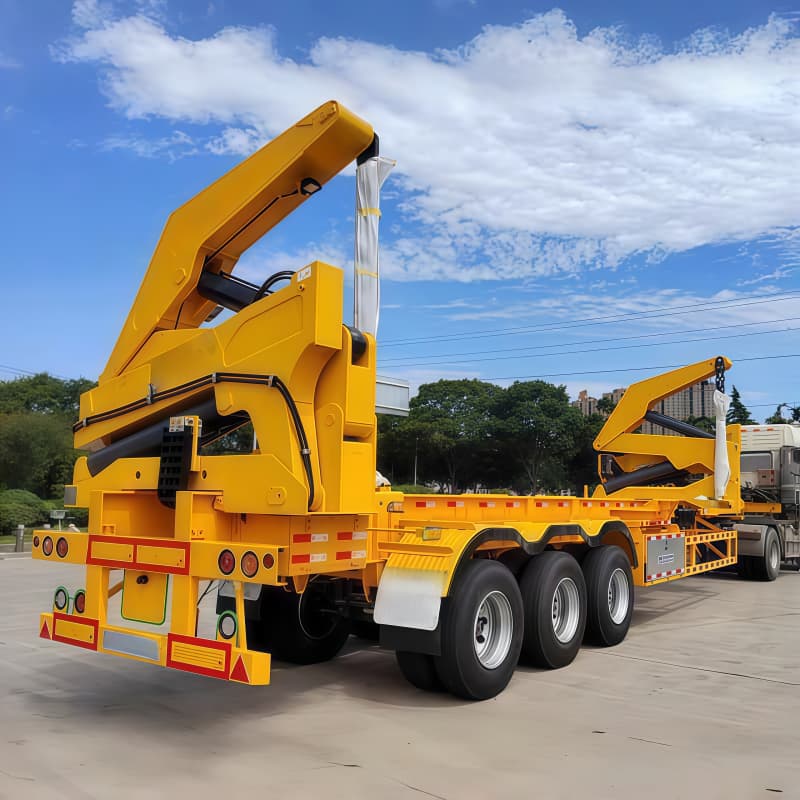
How Do You Choose the Best Container Side Loader Trailer for Logistics in Nigeria?
2026-07-08
In the rapidly growing logistics and transport sector of Nigeria, efficient port clearance and container handling are critical to business success. Ports in Lagos, such as Apapa and Tin Can Island, face ongoing congestion challenges. For transport companies, freight forwarders, and heavy industry operators, relying on traditional external cranes or waiting for port stackers leads to expensive delays and demurrage fees. A container side loader trailer, also known as a sidelifter, offers an independent solution by integrating hydraulic cranes directly onto the semi-trailer chassis. What Is a Container Side Loader Trailer and How Does It Work? A container side loader trailer is a specialized heavy-duty transport vehicle equipped with two hydraulic cranes mounted on the trailer chassis. This engineering design allows the operator to self-load or unload ISO shipping containers from the ground, another trailer, or train wagons without requiring extra heavy machinery. The lifting cranes are powered by an independent Power Take-Off (PTO) system or a separate diesel engine power pack, ensuring smooth hydraulic operation during heavy lifting. Container Side Loader Trailer 40ft 3 Axles 60t Yellow High-quality container side loader trailer designed for efficient and safe container transportation and handling. View Product Details → Container Side Loader Trailer 40ft 3 Axles Green High-quality container side loader trailer designed for efficient and safe container transportation and handling. View Product Details → Who Needs a Sidelifter Trailer in the West African Market? This equipment is specifically designed for container transport companies, logistics providers, and shipping lines operating throughout Nigeria and neighboring West African corridors. It serves industries such as construction, manufacturing, and international trade where containers must be delivered directly to job sites, rural warehouses, or urban centers that lack permanent overhead crane infrastructure. By enabling a single operator to manage the entire loading process, it reduces labor costs and...
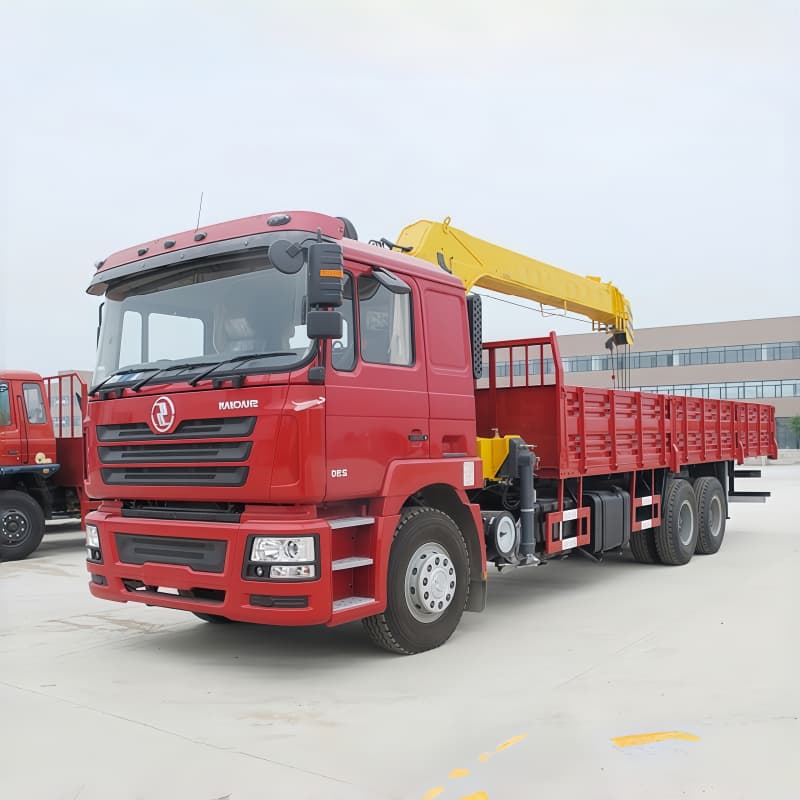
Why Is the Shacman Truck Mounted Crane Becoming Ghana’s Top Choice for Heavy Lifting?
2026-06-29
Ghana’s infrastructure, mining, and logistics sectors are experiencing unprecedented growth. From expanding port facilities in Tema and Takoradi to gold mining operations in Obuasi, logistics companies and contractors require dependable, heavy-duty machinery. The Shacman Truck Mounted Crane has emerged as a frontline solution, combining a robust, high-end truck chassis with precision hydraulic lifting technology. What Exactly Is a Shacman Truck Mounted Crane? A Shacman truck mounted crane (also known as a boom truck or lorry crane) integrates a high-performance heavy-duty commercial vehicle chassis with a hydraulic lifting crane. Instead of deploying a separate mobile crane and a cargo transport truck to a job site, this engineering vehicle executes both lifting and transportation seamlessly, slashing operational and labor costs significantly for Ghanaian businesses. Who Needs to Invest in This Versatile Cargo Crane Truck? This specialized vehicle is engineered for various industries across West Africa, particularly serving: Construction Contractors: Ideal for moving concrete forms, steel beams, and structural components on urban construction sites in Accra and Kumasi. Mining and Quarrying Operations: Essential for transporting heavy machinery spare parts and equipment in the Western Region's gold belts. Electricity and Utility Companies: Widely used for erecting concrete power poles and installing heavy transformers across rural electrification projects. Logistics and Port Operators: Perfect for loading and unloading heavy freight containers directly from flatbeds without waiting for stationary port cranes. Shacman F3000 Truck Mounted Crane 340HP 6x4 Highly recommended high-performance cargo truck equipped with a powerful 340HP engine and a durable mounted crane, perfect for heavy-duty lifting and seamless logistics operations. View Product Details → Shacman F3000 Truck Mounted Crane 375HP 8x4 White An excellent heavy-duty 8x4 configuration featuring a robust 375HP engine. This premium white truck-mounted crane offers exceptional stability and superior lifting capacity for demanding construction sites. View Product Details → Where and When...
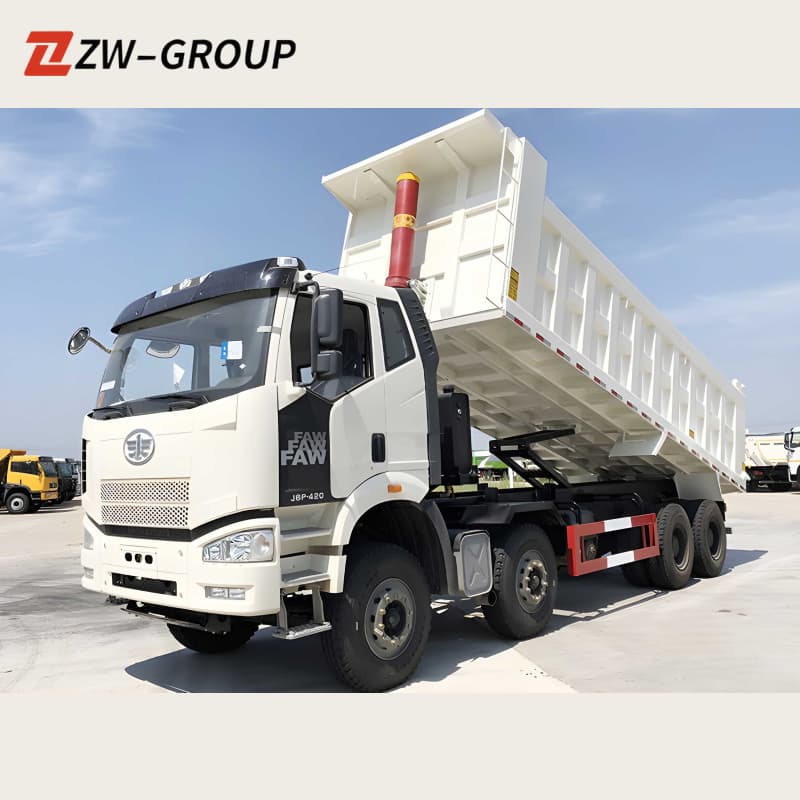
Which FAW Truck Model Delivers the Best Performance for DRC's Mining and Logistics Demands?
2026-06-19
Operating heavy machinery in the Democratic Republic of the Congo presents a distinct set of engineering and logistical challenges that few global markets can match. From the deep, dusty pits of the Kolwezi copper-cobalt belt to the gruelling long-haul stretches of National Road No. 1 (the N1 corridor), fleet owners, mining contractors, and logistics operators require trucks that are not just powerful but possess an almost industrial-grade resilience. The question for most procurement managers in Lubumbashi and Kinshasa is not simply about price, but about which equipment will deliver the lowest total cost of ownership under the most punishing operational conditions on the continent. This article provides a detailed engineering and commercial analysis of FAW trucks, examining why these heavy-duty workhorses have become a cornerstone for mining logistics in the DRC and across Southern Africa. Who Relies on FAW Trucks in the DRC? The user base for FAW heavy-duty trucks in the DRC is as demanding as the environment they operate in. These vehicles are not intended for light urban deliveries; they are the lifeblood of the country's resource extraction and infrastructure development sectors. Mining Operators in Kolwezi and Lualaba Province: Companies engaged in copper and cobalt extraction rely on FAW dump trucks to move overburden and extracted ore from pit bottoms to processing facilities. The high-frequency, short-haul cycles in these mines demand exceptional structural integrity and braking performance. Cross-Border Logistics Firms: Operators running the Lubumbashi-Zambia corridor, connecting the DRC's mineral wealth to the ports of Durban and Dar es Salaam, depend on FAW tractor units for their reliability on long, often unpaved stretches. These fleets require vehicles that can maintain high average speeds while hauling maximum legal payloads across border checkpoints. Local Construction Contractors: In expanding cities like Kinshasa and new development zones, contractors use FAW 8x4 tipper trucks...
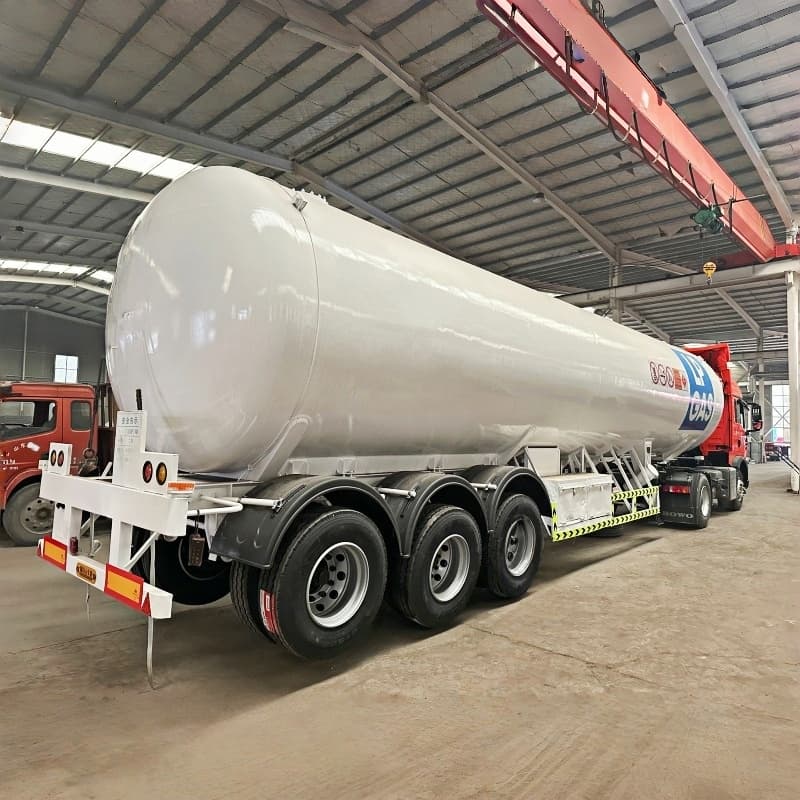
LPG Tanker Trailer for Malawi: Complete Specifications, Safety Compliance & Import Process
2026-06-12
Optimizing Energy Logistics in Southeast Africa As Malawi accelerates its transition toward cleaner cooking energy and industrial efficiency, the demand for Liquefied Petroleum Gas (LPG) is growing exponentially. To maintain a reliable LPG supply chain, companies require robust equipment capable of cross-border haulage and regional distribution. A high-quality LPG tanker trailer is the backbone of this infrastructure, ensuring secure bulk LPG delivery from regional coastal ports directly into the heart of Malawi. Who Benefiting from Bulk LPG Tanker Trailers in Malawi Efficient fuel transport is critical for several key players within the Malawian energy landscape. Implementing a dedicated semi-trailer for bulk transport serves various high-volume operations: LPG Importers and Wholesalers: Companies managing large-scale procurement and bulk storage facilities in major economic hubs like Lilongwe and Blantyre. LPG Distribution and Retail Companies: Enterprises operating LPG cylinder filling plants that require continuous replenishment to serve residential and commercial markets. Industrial and Agricultural Processors: Tobacco curing facilities, tea processing estates, and manufacturing plants utilizing clean energy for thermal applications. Commercial and Institutional Facilities: Large-scale operations including major hospitals, hotel chains, and educational institutions that maintain autonomous LPG storage installations. Propylene LPG Tanker Trailer Aluminum Alloy Material 53m³ 30t 3 Axles Highly recommend this premium aluminum alloy propylene LPG tanker trailer. Featuring a 53m³ high capacity and robust 3 axles design, it delivers outstanding transport efficiency and safety performance for your logistics needs. View Product Details → Propane LPG Tanker Trailer Carbon Steel Material 50m³ 29t 3 Axles We strongly recommend this high-strength carbon steel propane LPG tanker trailer. Built with a 50m³ volume and a reliable 29t capacity, it offers exceptional durability and cost-effectiveness for heavy-duty gas transportation. View Product Details → Carbon Steel LPG Tanker Trailer 53m³ 3 Axles White An excellent choice for your fleet: this 53m³ carbon steel LPG tanker...
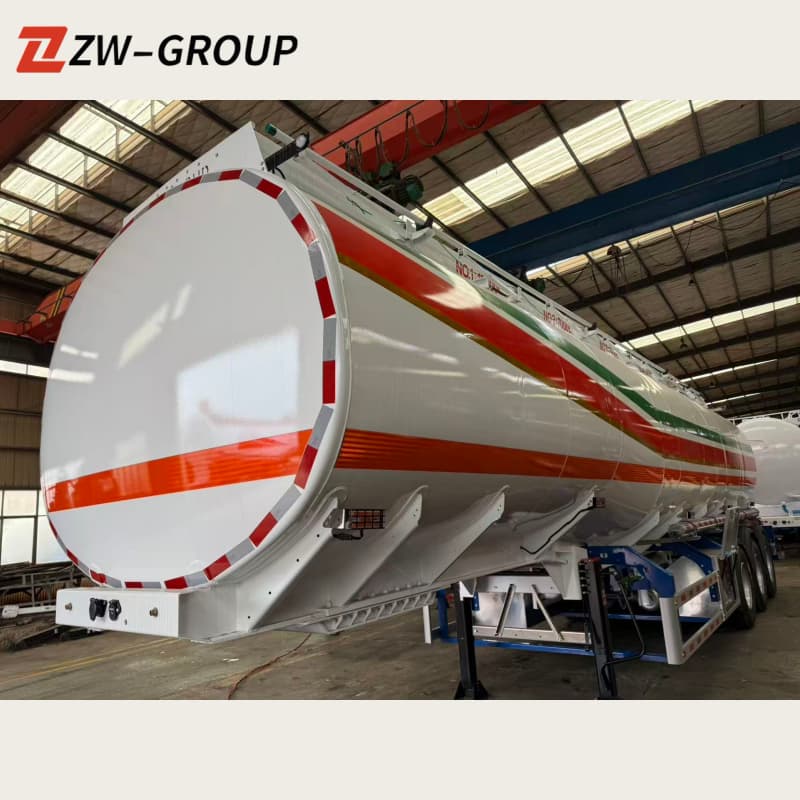
Why Tri-Axle Fuel Tanker Trailers Are the Best Choice for Zimbabwe Mining Logistics
2026-06-05
Executive Insight Zimbabwe's mining and petroleum sectors are experiencing sustained capital investment, driving unprecedented demand for reliable bulk fuel transport. For fleet managers operating along the Beira corridor or servicing remote extraction sites in the mineral-rich Great Dyke, equipment failure is not an operational inconvenience—it is a direct threat to production continuity. Selecting the correct tri-axle fuel tanker trailer directly determines whether your logistics chain maintains profitability or haemorrhages revenue through downtime and penalties. 1. The Operational Landscape: Who Requires Heavy-Duty Fuel Transport in Zimbabwe Fuel logistics in Zimbabwe is not a homogenous market. The requirements of a Harare-based commercial distributor differ materially from those of a contractor running diesel to a chrome mine near Shurugwi. Understanding the specific user profiles clarifies why standard equipment often proves inadequate. Mining Fleet Operators: These end-users manage the continuous refuelling of massive off-road haul trucks, excavators, and on-site generators. They demand tankers with exceptional payload capacity and structural integrity to withstand unpaved, corrugated mine roads. A stranded fuel bowser halts a multi-million-dollar operation. Cross-Border Logistics Companies: Transporters moving refined petroleum from Beira, Mozambique, into Zimbabwe or ferrying cargo along the North-South Corridor require equipment optimised for highway speed, fuel efficiency, and swift ZIMRA customs clearance. These operators value lightweight engineering that maximises legal payload limits across borders. Independent Fuel Station Owners & Distributors: Entities managing networks from Mutare to Bulawayo need versatile, multi-compartment tankers capable of delivering both petrol and diesel in a single trip, maintaining product purity while navigating narrow urban forecourts and rural access roads. The unifying thread across these profiles is the punishing operational environment. Major arterial routes like the Beira corridor transport link are critical yet often congested and subject to abrupt surface degradation. Local infrastructures demand a rugged transport solution where suspension and braking system reliability are non-negotiable...
How to Choose and Import the Right Chemical Tanker Trailer for Ugandan Road Conditions
2026-05-29
For logistics operators, chemical manufacturers, and industrial distributors across Kampala, Jinja, and Entebbe, transporting corrosive liquids like sulfuric acid or caustic soda demands equipment engineered for both safety and durability. The combination of East African Community (EAC) transport regulations, Uganda National Bureau of Standards (UNBS) compliance, and the harsh local climate creates a unique operational environment. Selecting the wrong chemical tanker trailer leads to rapid corrosion, hazardous leaks, and costly downtime. This technical guide provides fleet managers and procurement officers with the engineering criteria, material science, and import procedures necessary to deploy reliable acid tankers on routes like the Kampala-Mbarara highway and the Northern Corridor. Industry Focus: This resource is specifically for Ugandan freight forwarders, chemical distributors, and industrial transport contractors who require UNBS-certified chemical tanker semi trailers for aggressive liquids, including sulfuric acid, caustic soda, and industrial solvents. Propylene LPG Tanker Trailer Aluminum Alloy Material 53m³ 30t 3 Axles View Product Details Propane LPG Tanker Trailer Carbon Steel Material 50m³ 29t 3 Axles View Product Details Stainless Steel Liquid Nitrogen Cryogenic Tanker Semi Trailer 34m³ 3 Axles View Product Details Aluminum Alloy Liquid Argon Cryogenic Tanker Semi Trailer View Product Details Engineering the Right Tanker: Material Science for Uganda’s Chemical Profile The core of a safe chemical transport truck trailer lies in its tank shell and material compatibility. Standard mild steel (Q235) is inadequate for most corrosive loads unless lined. For direct contact, SS316L stainless steel offers superior resistance to pitting from chlorides and acidic media, while lined carbon steel provides a cost-effective barrier for specific chemicals. The required tank shell thickness typically ranges from 4mm to 6mm for stainless steel, but may reach 8mm for carbon steel to withstand both internal pressure and external impacts on uneven Ugandan roads. Operators moving sulfuric acid transport (concentrations above 93%) can...
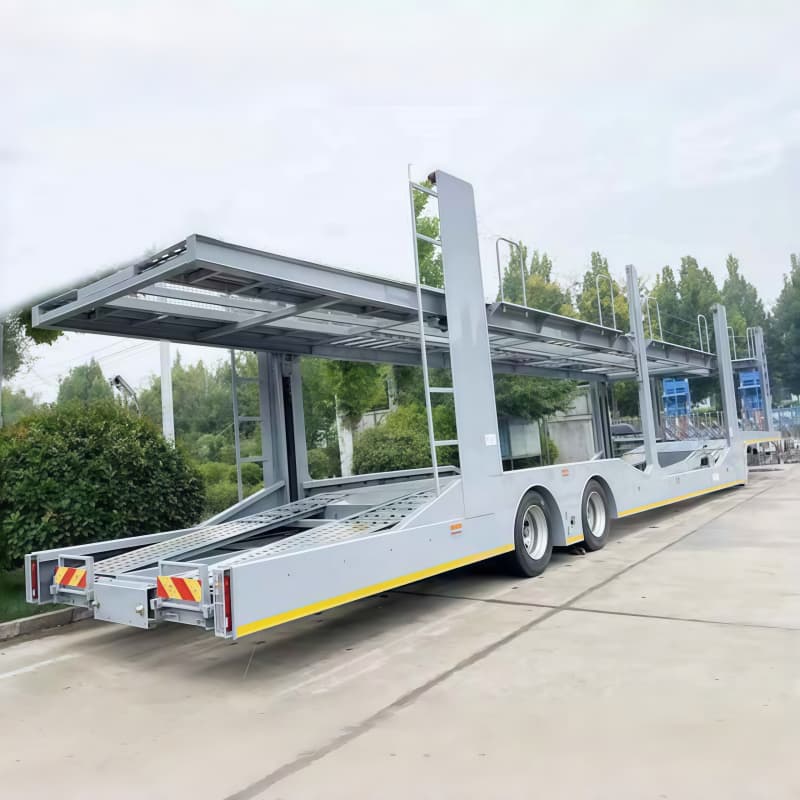
How to Choose the Right Car Carrier Trailer for Tanzania’s Long-Distance Transport Corridors
2026-05-22
Tanzania has become one of East Africa’s most important automotive transit hubs. Every year, thousands of passenger vehicles, SUVs, pickups, and commercial fleets arrive through the Port of Dar es Salaam before being distributed across Tanzania and neighboring countries such as Zambia, Rwanda, Burundi, and the Democratic Republic of Congo. As vehicle movement volumes continue to increase, logistics companies are investing in modern car carrier trailers that improve transport efficiency, reduce loading risks, and maximize fleet profitability. A modern car hauler trailer is designed specifically for high-volume commercial vehicle transport across long-distance African routes. Compared with flatbed transport methods, a hydraulic car trailer can safely load multiple vehicles on two levels while maintaining stable weight distribution and faster turnaround times at ports, bonded yards, and inland depots. Why Car Carrier Trailers Are in High Demand in Tanzania The demand for multi-car carrier equipment continues to grow because Tanzania serves both domestic and regional vehicle distribution markets. Transport operators moving vehicles from Dar es Salaam to Dodoma, Mwanza, Arusha, Mbeya, and border transit points require trailers capable of handling: Long-distance highway transport under high ambient temperatures Frequent loading and unloading at ports and inland logistics yards Heavy commercial operating cycles with minimal downtime Mixed vehicle categories including sedans, SUVs, pickups, and light trucks Transit cargo movement toward Zambia, DRC, Rwanda, and Uganda Many fleet operators in East Africa are replacing conventional flatbed systems with specialized semi-trailer manufacturer solutions that increase carrying capacity while lowering fuel cost per transported vehicle. A properly engineered 6-car carrier or 8-car carrier configuration can significantly improve monthly delivery volume without increasing driver headcount. Who Should Invest in a Commercial Car Carrier Trailer Specialized car shipping Tanzania operations require equipment designed for predictable loading geometry, stable vehicle clearance, and reliable hydraulic lifting performance. These trailers are widely...
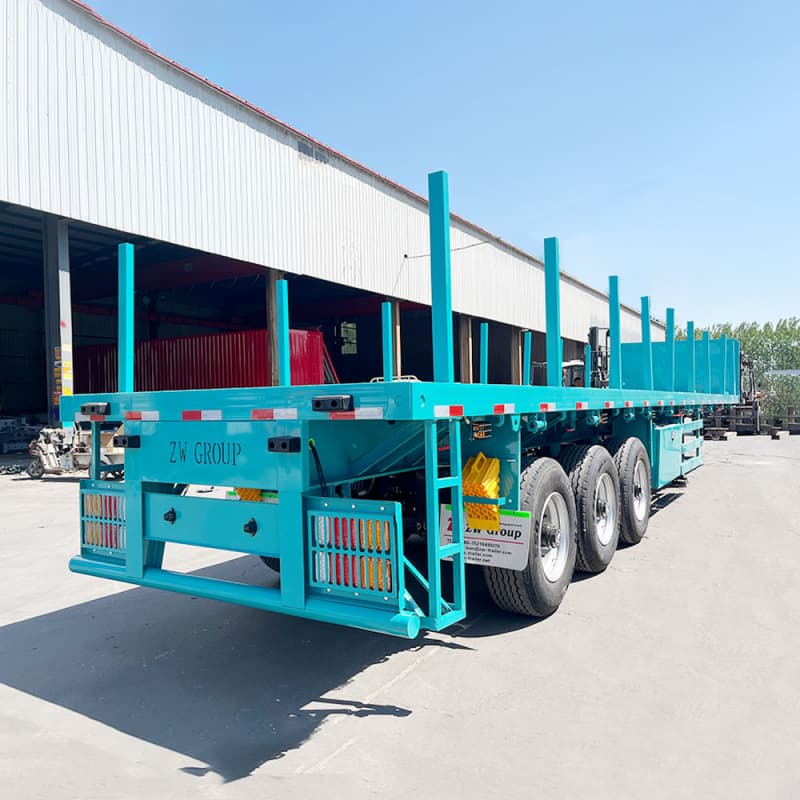
How to Choose the Right 3 Axle Flatbed Semi Trailer for Container Transport in Tanzania
2026-05-08
Operating heavy transport along the Dar es Salaam port corridor—whether heading west to Kigoma, north to Mwanza and Arusha, or crossing the border into Zambia and DRC—demands equipment that forgives neither downtime nor poor road conditions. Over the past decade advising logistics fleets across East Africa, I've watched too many operators bleed profit on under-specced flatbed semi trailers. This guide cuts through the sales chatter and focuses on what actually works for Tanzanian container haulage, from TRA compliance to the brutal reality of unpaved sections on the Tunduma-Mbeya route. Who & Where: Serving the Dar es Salaam–East African Corridor Your flatbed semi trailer is the backbone of intermodal freight moving through Dar es Salaam port, the busiest gateway for Tanzania, Burundi, Rwanda, Uganda, and eastern DRC. The typical mission profile: Port extraction: Stacked 20ft or 40ft laden containers from port terminal to inland container depots (ICDs) like Ubungo or Kisarawe. Long-haul corridors: Up to 1,400 km runs to Mwanza (Lake Zone), Arusha (northern circuit), or cross-border to Lubumbashi (DRC) and Ndola (Zambia). Mixed cargo + containers: Many fleet owners combine container freight with loose construction steel, agricultural machinery, or bagged cement on the return leg—requiring a versatile tri-axle platform trailer with twist locks and flatbed flexibility. The Tanzania Revenue Authority (TRA) enforces strict axle load limits at weighbridges in Chalinze, Manyoni, and Tunduma. A well-spec'd 3 axle flatbed trailer keeps you legal while maximizing payload. More importantly, it survives the heat (up to 35°C+ and high humidity near the coast) and the vibration washboard sections of the central corridor. My field inspections confirm that poorly braced suspension mounts crack within 18 months on these roads; premium engineering doubles that lifespan. Flatbed Semi Trailer 40ft 3 Axles 80t Cyan With Side Bar Stick Pipe This custom flat deck trailer is highly...
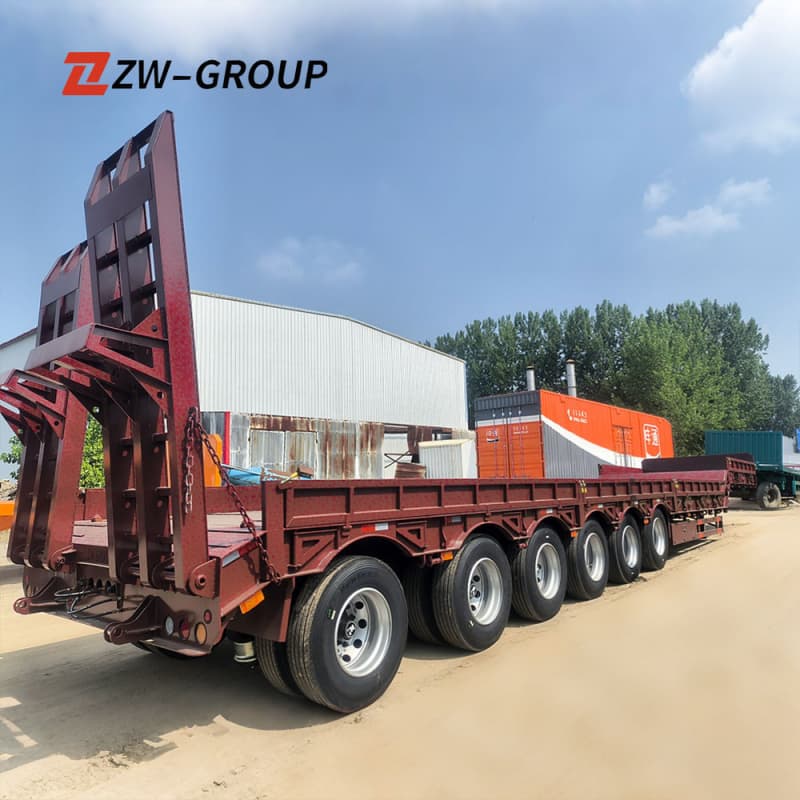
Lowbed Semi Trailer for Nigeria: Complete Technical Guide for Heavy Machinery Transport
2026-04-29
What Is a Lowbed Semi Trailer? Key Features A lowbed semi trailer (also called low loader or low bed trailer) features a gooseneck design that lowers the deck height significantly – as low as 600mm from the ground. This allows transporting tall, heavy machinery while keeping overall vehicle height within Nigeria’s legal limit of 4.2m. Deck height – 0.6m to 1.0m depending on gooseneck type Load capacity – 20 tons to 150 tons (common models: 40‑ton, 60‑ton, 80‑ton) Axle configurations – 2‑axle, 3‑axle (most popular in Nigeria), 4‑axle, 5‑axle modular Gooseneck types – fixed, detachable, hydraulic removable (HRG) Suspension – mechanical (spring) or air suspension (recommended for rough roads) Brake system – ABS available for better control on wet pavement Difference from standard flatbed: A flatbed’s deck height is ~1.2‑1.4m, which would cause a 4m‑tall excavator to exceed the legal height limit. A lowbed semi trailer solves this problem. When to Use and Purchase a Lowbed Semi Trailer In Nigeria, heavy haulage peaks during the dry season (November to March) when roads are firm and passable. Purchase timing should allow 45–60 days for manufacturing, shipping from China/Europe, and customs clearance at Apapa or Tin Can Island Port. A well‑maintained lowbed trailer has a typical service life of 10–15 years. Where Lowbed Semi Trailers Are Used Across Nigeria Construction sites – Moving excavators, bulldozers, wheel loaders on Lagos‑Ibadan road, Abuja ring roads. Energy sector – Transporting transformers, generators, drilling rigs to rural substations. Ports – Clearing new machinery from Apapa, Tin Can Island, Onne ports to inland workshops. Mining zones – Hauling equipment in Jos (tin mining), Zamfara (gold), Ebonyi (lead/zinc). Precast concrete yards – Delivering bridge beams, concrete pipes for infrastructure projects. Lowbed Semi Trailer 120t 6 Axles Brown-red- Pre-purchase checklist heavy trailers Highly recommended for heavy-duty transportation. Reliable quality...
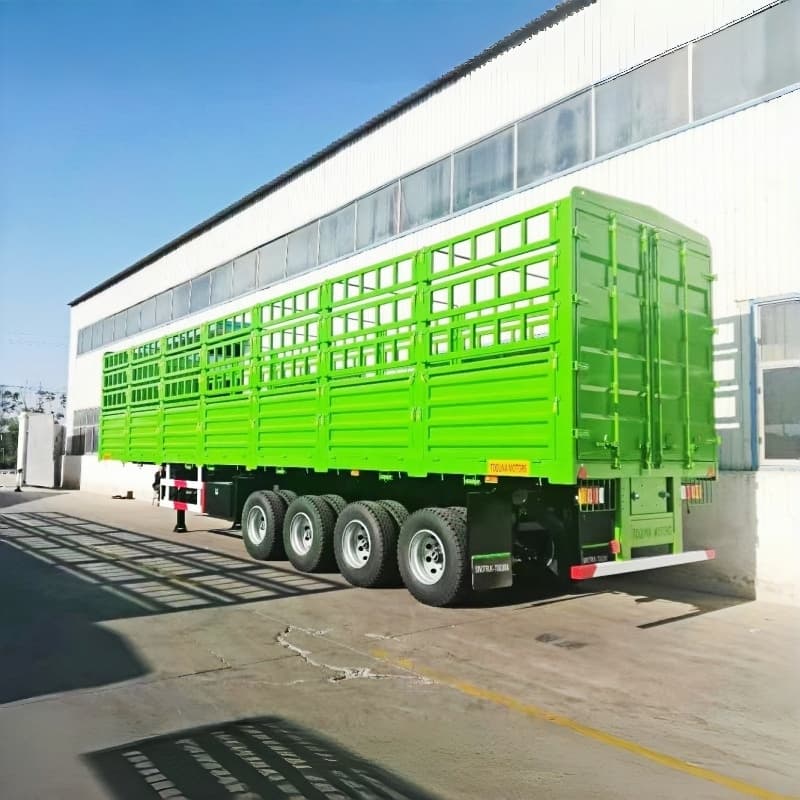
How to Choose the Right Fence Semi Trailer for 60-120 Ton Haulage in Ghana
2026-04-20
In the rapidly expanding logistics landscape of West Africa, efficiency at the Ghana Port Authorities (Tema and Takoradi) is the lifeline of commerce. For transport companies moving goods across the Accra-Kumasi-Tamale corridor, the Fence Semi Trailer—also known as a stake truck trailer—has emerged as the premier solution. These multi-functional trailers are engineered to handle the unique demands of Ghanaian terrain, from the humid coastal regions to the dry, rugged northern territories. The Role of Fence Trailers in Ghana’s Economy A fence semi trailer is a specialized cargo vehicle featuring a detachable or fixed stake-gate structure. In Ghana, it serves as the backbone for several critical industries: Cocoa Bean Logistics: Providing essential ventilation for bagged cocoa beans transported from the Western and Ashanti regions. Construction & Infrastructure: Moving bagged cement and steel bars for major projects in Accra and Kumasi. Agricultural Bulk Cargo: Transporting maize, yams, and livestock from Northern Ghana to southern urban centers. Cross-Border Trade: Facilitating heavy-duty haulage between Ghana and landlocked neighbors like Burkina Faso and Mali. Technical Specifications: Engineering for Durability Ghanaian road conditions, particularly during the heavy rainy season, demand a high level of engineering integrity. When sourcing heavy-duty logistics equipment in West Africa, the structural composition is the first point of inspection for any seasoned fleet manager. High-Tensile Steel and Chassis Strength Our trailers utilize Q345B High-Tensile Steel. This material offers a superior strength-to-weight ratio compared to standard carbon steel, ensuring that the main beam can withstand the stress of 100t+ loads without permanent deformation. This is crucial for navigating the hilly terrains of the Eastern Region where torque and structural flexibility are tested daily. Axle Configuration and Payload Capacity Choosing the right Axle Configuration is a balance between your payload requirements and Road Safety Regulations enforced by the Ghana Highway Authority. While a 3-axle...
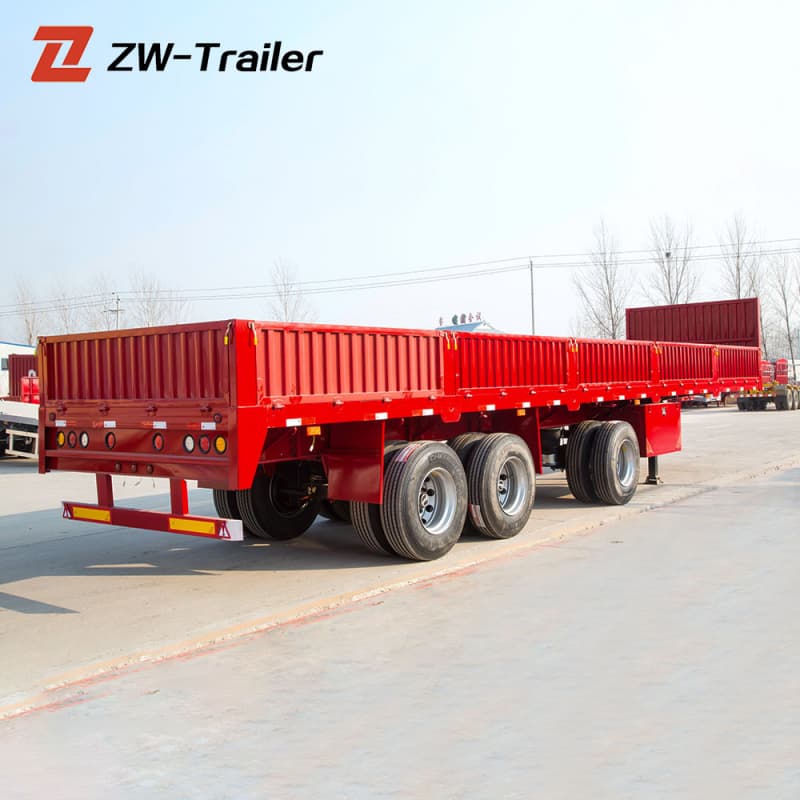
How to Choose the Best Side Wall Semi Trailer for Logistics and Mining Transport in Guinea?
2026-04-13
In the rapidly growing economy of Guinea, from the bustling Port of Conakry to the rich bauxite mines in Boké, the demand for reliable transport is higher than ever. Whether you are hauling agricultural products from High Guinea or heavy equipment for mining operations, selecting the right Side Wall Semi Trailer is a critical decision for your fleet's efficiency and longevity. What is a Side Wall Semi Trailer and Why Is It Vital for Guinea? A side wall semi trailer, often referred to as a 3 axle dropside trailer or a cargo semi trailer, features a flat platform equipped with removable or foldable side boards. This design is exceptionally versatile for Guinean logistics because it can carry diverse cargo types, including: Bulk goods like rice, cement, and fertilizer. Bags of bauxite or other mineral samples from mining sites. Palletized industrial goods arriving at the Port of Conakry. Secured heavy machinery (by removing the side walls to use it as a flatbed). Designed for the Toughest African Road Conditions Transporters in Guinea face unique challenges, including unpaved rural roads and the intense humidity of the rainy season. To ensure your investment lasts, professional heavy duty trailer manufacturers prioritize high-strength materials and advanced engineering. Technical Specifications and Configurations The core of a durable trailer lies in its skeleton. High-quality trailers utilize Carbon Steel Q345B for the main beam, providing the necessary flexibility and strength to handle heavy loads without deformation. When operating in Conakry or Kamsar, the Anti-rust Painting process (electrophoresis or polyurethane painting) is essential to prevent corrosion from the salty sea air. For most transport logistics in Guinea, a 60 tons side board trailer is the standard. However, choosing between a 3-axle and 4-axle configuration depends on your specific payload capacity needs. Trailer Model Payload Capacity Axle Configuration Key Components...