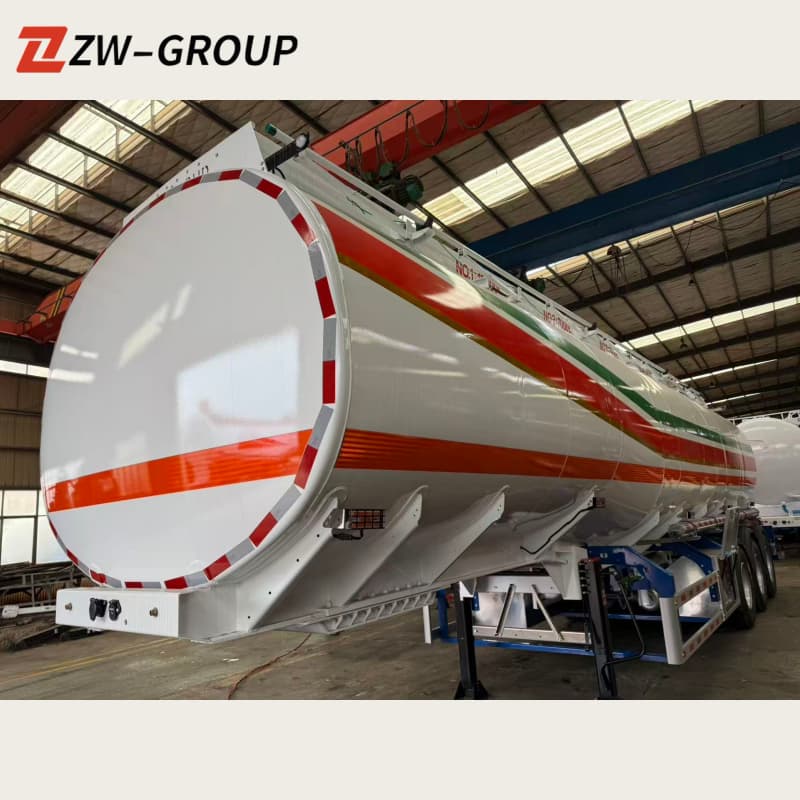
Shandong TITAN Vehicle Co., Ltd. ——TITAN trailer 丨TITAN semi trailer 丨 TITAN Vehicle
2026-03-23
Aluminum Alloy Fuel Tanker Trailer 45000L 3 Axles We highly recommend this high-capacity aluminum tanker for efficient and safe fuel transportation. View Product Details Carbon Steel Fuel Tanker Trailer 45m3 3 Axles White A durable and cost-effective solution for heavy-duty oil and fuel transport needs. View Product Details Lowbed Semi Trailer 120t 6 Axles Brown-red Perfect for hauling heavy machinery and oversized equipment with maximum stability. View Product Details End Dump Semi Trailer 80m³ 4 Axles 80t Blue Engineered for large-volume aggregate and construction material transport. View Product Details Flatbed Semi Trailer 40ft 3 Axles 80t Cyan A versatile 40ft flatbed trailer suitable for containers and general cargo logistics. View Product Details Fence Semi Trailer 120t 6 Axles Green Designed for secure transportation of livestock, bulk goods, and diverse cargo. View Product Details Side Wall Semi Trailer 60t 3 Axles Select Color Reliable sidewall trailer offering flexible loading options for various commercial uses. View Product Details Aluminum Alloy Material Fuel Tanker Trailer 48500L 3 Axles A specialized high-capacity tanker built with premium materials for long-term durability. View Product Details Lowbed Semi Trailer 100t 5 Axles Yellow Professional heavy-haul solution with 5 axles for superior weight distribution. View Product Details U-shaped End Dump Semi Trailer 70m³ 3 Axles 70t White The U-shaped design ensures faster unloading and less residual material. View Product Details How ZW Group Semi-Trailers Solve Complex Transportation Challenges in Global Logistics In the rapidly evolving world of international logistics, the demand for specialized transport equipment has never been higher. ZW Group stands at the forefront of this industry, providing high-performance semi-trailers designed to meet the rigorous demands of cross-border shipping, mining operations, and large-scale construction projects. These vehicles are engineered to bridge the gap between manufacturer production and global distribution, ensuring that liquid fuel, heavy machinery, and bulk...
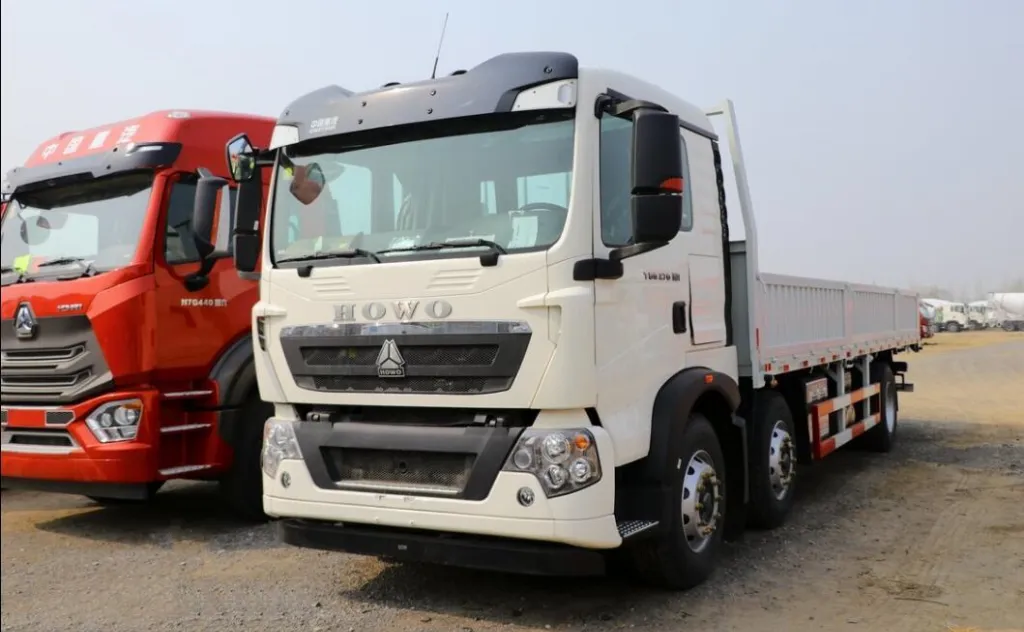
Why the HOWO A5 ARC Cargo Truck is the Optimal Choice for Ugandan Long-Haul Logistics in 2026
2026-03-16
For fleet operators navigating the demanding corridors from Kampala to Malaba, or managing heavy-duty cargo transport across Uganda’s diverse terrain, the vehicle choice is the primary determinant of operational profitability. The HOWO A5 ARC cargo truck has emerged as the definitive solution for logistics companies requiring a balance between raw power, fuel efficiency, and structural resilience. Designed specifically to withstand the rigors of East African infrastructure, this model addresses the frequent challenges of steep gradients, varying road surfaces, and the need for prolonged uptime in critical supply chain routes. Engineered for Performance: Technical Excellence in the A5 ARC The core strength of the HOWO A5 ARC lies in its integration of the Weichai engine and the heavy-duty Fast gearbox. This powertrain synergy ensures high torque at low revolutions, which is vital for maintaining consistent speeds when fully loaded on the challenging ascent from the Rift Valley. Engine Power: High-output configuration optimized for 30-to-40-ton payloads. Chassis Strength: Reinforced steel frame designed to prevent stress fractures during heavy-duty cargo transport in Uganda. A5 Cab Design: Ergonomic architecture that reduces driver fatigue over long-haul transit, featuring improved climate control for tropical conditions. Operational Advantage: Comparative Analysis When assessing the HOWO truck price in Uganda against operational performance, fleet managers must look beyond the initial capital expenditure to the Total Cost of Ownership (TCO). The A5 ARC is engineered to outperform generic market alternatives in the following ways: Feature HOWO A5 ARC Generic Heavy-Duty Competitors Fuel Efficiency Optimized high-pressure common rail system Standard mechanical injection Maintenance Intervals Extended (up to 20,000 km with local filters) Standard 10,000 km - 12,000 km Resale Value High due to brand ubiquity in East Africa Moderate to Low Navigating Local Logistics: Support and Sustainability The viability of any logistics solutions in Kampala depends heavily on the availability of...
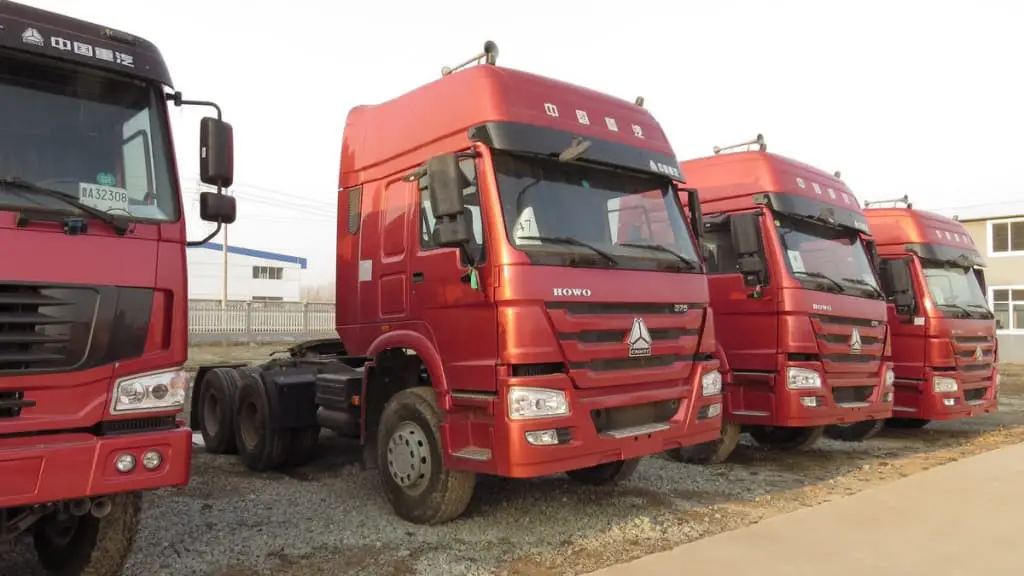
How to Choose the Best HOWO Tractor Truck for Tanzania Logistics: Prices, Specs, and Reliability
2026-03-10
Tanzania stands as the strategic gateway to East and Central Africa. With the Port of Dar es Salaam serving as a vital hub for landlocked neighbors like Zambia, Rwanda, Burundi, and the Democratic Republic of Congo (DRC), the demand for high-performance heavy-duty transport is relentless. In this competitive landscape, the HOWO tractor (widely recognized by its Chinese names 豪沃车头 / 豪沃牵引车) has emerged as the undisputed backbone of the Tanzanian logistics and construction sectors. This comprehensive guide explores why SINOTRUK HOWO dominates the local market and how you can select the perfect configuration for your fleet. Who Needs a SINOTRUK HOWO Tractor in the Tanzanian Market? The Tanzanian transport industry is characterized by harsh terrains, long-distance cross-border routes, and a climate that tests the limits of any cooling system. The primary users of the howo tractor include: Long-Haul Logistics Providers: Companies moving dry containers or fuel tankers from Dar es Salaam to Lusaka, Lubumbashi, or Kigali require high-uptime vehicles. Construction and Mining Contractors: Operators in the Lake Zone (Mwanza, Geita) or Southern Highlands (Njombe, Iringa) need the HOWO Tractor Truck for moving heavy machinery and bulk minerals. Individual Owner-Operators: Local entrepreneurs who prioritize a low howo tractor price and high resale value to build their transport businesses from the ground up. Government and Infrastructure Projects: Large-scale road and rail projects require reliable tractor units for moving oversized bridge girders and heavy equipment. For these professionals, the pain point is clear: downtime is the ultimate profit killer. Tanzanian roads, such as the Arusha-Namanga corridor or the central route to Dodoma, demand a truck that combines mechanical simplicity with structural resilience. This is where SINOTRUK’s expertise in the African heavy machinery market becomes evident. What are the Technical Specs of the HOWO Tractor Series? The "HOWO Tractor Truck" is not a...
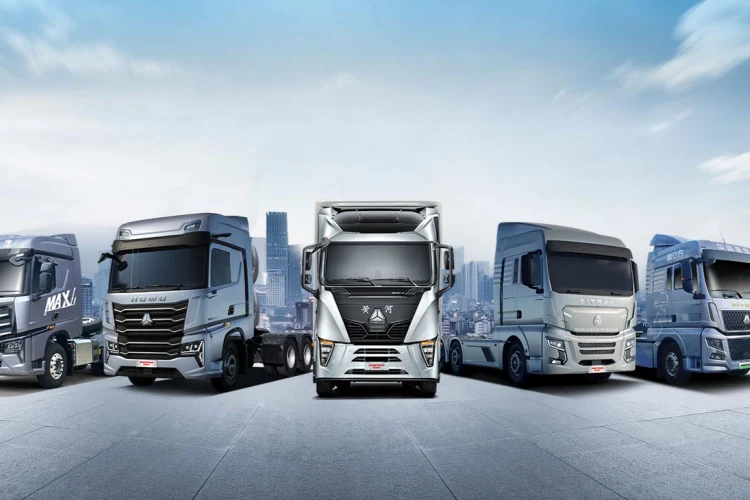
How to Choose the Right China HOWO Truck for Ghana’s 2026 Infrastructure Boom?
2026-03-02
With Ghana’s economy projected to lead West African growth in 2026, the construction and mining sectors in Accra, Kumasi, and Takoradi are witnessing an unprecedented surge. For local contractors and logistics firms, the China HOWO brand has become synonymous with reliability. This guide breaks down why SINOTRUK is the dominant force in the Ghana construction industry today. Who Benefits Most from SINOTRUK HOWO in Ghana? The versatility of HOWO trucks caters to a wide range of professionals across the country, including civil engineers managing road expansions, mine operators in the Western Region, and logistics providers moving goods through Tema Port. Civil Engineers: Perfect for road expansions from Tema to Afiao. Mine Operators: Requiring heavy-duty 8x4 tippers for gold and bauxite extraction. Logistics Providers: Moving essential goods to landlocked neighbors like Burkina Faso. Technical Comparison: Finding Your Perfect Load Capacity Selecting the right Dump truck depends on your specific job site requirements. Below is a clean comparison of the two most imported models in Ghana: Specifications HOWO 6x4 Tipper HOWO 8x4 Tipper Main Engine WD615.47 (371hp) WD615.47 (400hp option) Axle Configuration HC16 Heavy Duty Axle Reinforced HC16 Axle Box Volume 18 - 20 Cubic Meters 25 - 30 Cubic Meters Fuel Tank Capacity 300L Aluminum 400L Aluminum Why Choose New China HOWO Over Used European Trucks? Many Ghanaian buyers are moving away from second-hand European "home-used" trucks in favor of new SINOTRUK units. The shift is driven by the WD615 engine cooling efficiency and the specialized 10-leaf spring suspension tuned for Ghana's rugged mining feeder roads. Optimized for Heat: Built for 35°C+ temperatures, preventing the overheating common in European imports. Spare Parts Availability: Fast access via Abossey Okai (Accra) and Suame Magazine (Kumasi). Suspension Tech: Specifically tuned for unpaved roads in mining concessions. Strategic Importing: How to Get Your HOWO Truck...
Why HOWO 10 & 12 Wheeler Fuel Tanker Trucks are the Best Choice for Nigerian Oil Marketers?
2026-02-25
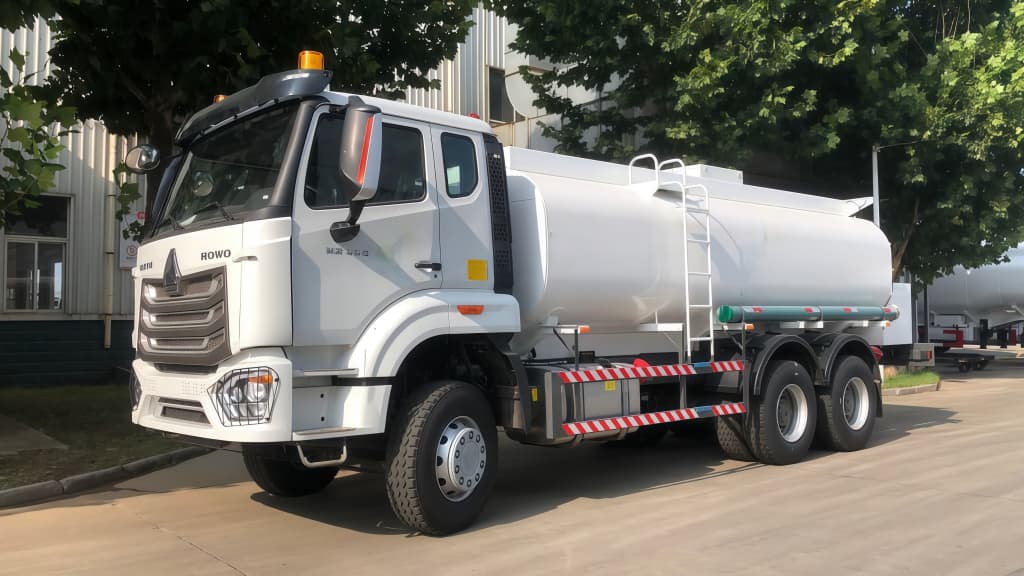
Following a specific inquiry from our partners in Lagos and Port Harcourt regarding the expansion of their downstream petroleum distribution fleets, this guide provides a technical and strategic overview of why Sinotruk HOWO remains the "King of the Road" in Nigeria for 2026. Whether you are transporting PMS (Premium Motor Spirit), AGO (Automotive Gas Oil), or DPK (Dual Purpose Kerosene), selecting the right wheel configuration is critical for your bottom line. For independent oil marketers and logistics companies operating across the Kano-Lagos-Onitsha corridor, the demand for reliable, high-capacity fuel haulage has never been higher. Sinotruk HOWO fuel tanker trucks, available in both 10-wheeler (6x4) and 12-wheeler (8x4) configurations, are specifically engineered to handle the unique challenges of the Nigerian terrain—from extreme heat to demanding road conditions. Technical Comparison: 10 Wheeler (6x4) vs. 12 Wheeler (8x4) Fuel Tankers Choosing between a 6x4 and an 8x4 configuration depends largely on your distribution scale and the specific routes within Nigeria. Below is a detailed technical comparison to guide your procurement for the 2026 season. Feature HOWO 10 Wheeler (6x4) HOWO 12 Wheeler (8x4) Typical Capacity 20,000L – 25,000L 30,000L – 35,000L Engine Series WD615.47 (371HP) / WD615.69 (336HP) WD615.47 (371HP) / D12.42 (420HP) Emission Standard Euro II / Euro III Euro II / Euro III Transmission HW19710 (10 Forward + 2 Reverse) HW19710 (Manual) Main Application City distribution & Regional haulage Long-distance interstate bulk transport Why HOWO is the Preferred Brand for Nigeria Oil & Gas Transport The Nigerian heavy-duty truck market is competitive, yet HOWO maintains a dominant share. This preference is built on three pillars: Durability, Maintenance, and Resale Value. Tropicalized Cooling System: Our Nigeria-spec tankers feature reinforced radiators and advanced heat dissipation systems to prevent engine overheating during long hauls in the Saharan heat. Reinforced Chassis & Suspension: To navigate...
How Much is a Howo Truck? 2026 Price Guide & Import Cost Breakdown
2026-02-02
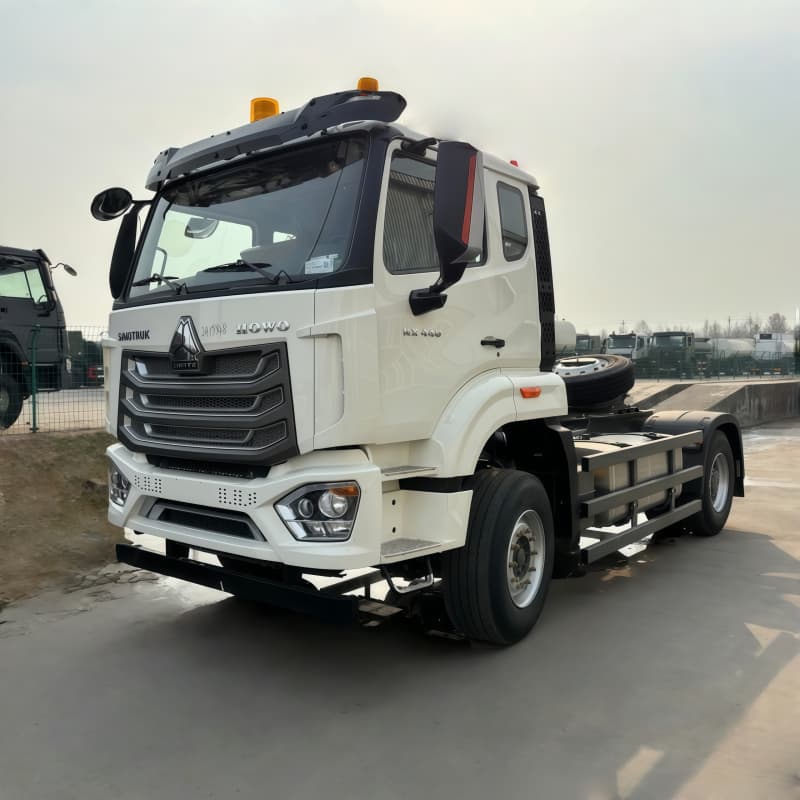
If you are looking for the answer to "how much is a Howo truck," the current market average for a new Sinotruk Howo heavy-duty truck ranges from $28,500 to $56,000 USD (FOB China). This wide price variance is driven by specific configurations, such as the 371hp dump truck cost versus a high-spec Howo A7 tractor head price. While a standard 6x4 tipper typically starts around $31,000, specialized units like the 8x4 chassis or models equipped with the advanced MAN-technology engines (T7H or TX Model) will command a premium. Furthermore, your final landed cost will vary significantly based on CIF shipping costs and local import duty tax. In this guide, we leverage our export experience as a trusted heavy machinery partner to break down the Sinotruk Howo price list 2025, analyze the hidden costs of international trade, and help you calculate the true cost of ownership. Key Factors Influencing Howo Truck Pricing The base price of a truck is rarely the final invoice amount. When negotiating with a CNHTC authorized dealer, four primary technical factors will dictate the quote you receive. 1. Engine Specifications (Horsepower & Torque) The heart of the Howo truck, usually the Weichai or WD615 engine, is a major cost driver. Higher horsepower equates to a higher price tag: 336HP: The entry-level option, suitable for lighter loads and flat terrain. It is the most affordable choice. 371HP: The industry standard for export. This offers the best balance of torque (Nm) and fuel economy for standard construction sites. 420HP+ (A7/T7H Models): Required for long-haul heavy transport. Engines meeting Euro 4 emission standards or higher will add $2,000–$4,000 to the base price compared to Euro 2 models. 2. Chassis Configuration: 6x4 vs 8x4 The drive type determines the truck's payload capacity (tons) and stability. A 6x4 chassis (10-wheeler) is the...
The Technical Edge of Camiones HOWO——Engineered for Power
2026-01-19
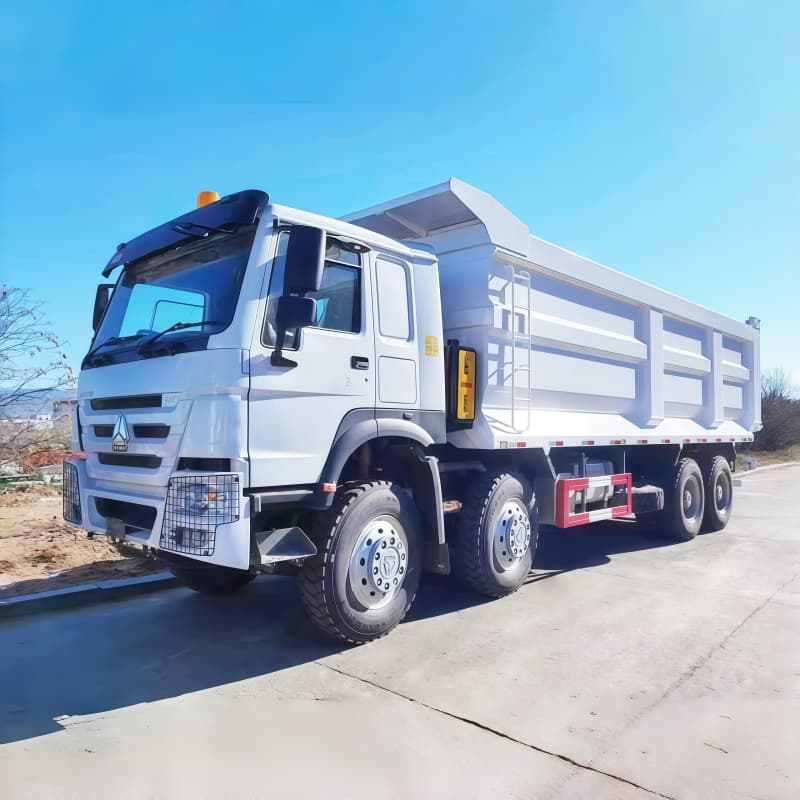
Engineered for Power: The Technical Edge of Camiones HOWO In the competitive landscape of heavy-duty transport, Camiones HOWO have established a dominant presence by balancing robust mechanical engineering with optimized operational costs. Manufactured by Sinotruk, these vehicles are specifically designed to withstand the rigors of emerging markets, from the high-altitude mining trails of the Andes to the intense tropical heat of Sub-Saharan Africa. By integrating world-class components with a high-strength chassis, HOWO Trucks deliver the reliability required for 24/7 logistics and construction cycles. Sinotruk HOWO 6x4 Powertrain Excellence The core of the Sinotruk HOWO 6x4 series is its high-torque drivetrain, engineered for maximum traction and fuel efficiency. Utilizing the WD615 Engine technology, these trucks offer a versatile power range suitable for diverse hauling requirements. Horsepower Options: Configurations like the HOWO 371 and HOWO 420 cater to different load profiles. Transmission Systems: Integration of Eaton Transmission and Sinotruk's heavy-duty manual gearboxes for precise torque management. Emission Standards: Availability in Euro II, IV, and V emission standards to meet specific local regulatory environments. Steering Precision: Standard inclusion of ZF Steering systems to ensure driver control under maximum payload. HOWO Dump Truck 371HP 8×4 A heavy-duty powerhouse featuring a reinforced chassis and high-torque WD615 engine, optimized for demanding mining and construction environments. Learn More and Get Price → HOWO NX Tractor Truck 440HP 4x2 Engineered for long-haul logistics efficiency, the NX series offers superior aerodynamics and driver comfort for maximum ROI in transport operations. View Technical Specifications → HOWO Concrete Mixer Truck 380HP 8x4 Designed for precision and durability, this mixer truck provides stable rotation and rapid discharge, perfect for large-scale infrastructure projects. Check Stock Availability → Howo NX Truck Mounted Crane 390HP 6x4 A versatile multi-functional vehicle combining high lifting capacity with the mobility of an NX series chassis for specialized engineering...
Optimizing Petroleum Logistics: High-Performance Fuel Tanker Trailer Engineering for Global Markets
2026-01-16
In the high-stakes world of liquid bulk transport, selecting the right fuel tanker trailer is not merely a purchasing decision; it is a strategic investment in safety, efficiency, and long-term profitability. Whether navigating the rugged terrain of sub-Saharan Africa or executing high-speed long-haul deliveries across European highways, your oil tanker truck trailer must withstand extreme mechanical stress while ensuring the integrity of hazardous cargo. Engineered for Extremes: The Manufacturing Expertise Modern petroleum logistics demand more than just a mobile container. As a dedicated tanker trailer manufacturer, we utilize advanced production techniques to ensure every diesel transport tank meets the most rigorous international standards, including ISO9001 and ADR certification. Precision Welding and Structural Integrity The core of our liquid tank semi-trailer lies in its longitudinal welding. We employ automated submerged arc welding (ASW) technology, which provides deeper penetration and a smoother finish compared to manual welding. This process eliminates human error and ensures that the tank body can handle the internal pressure fluctuations during transit without developing fatigue cracks. Internal Design: The Science of Stability Fluid surge is a major risk factor for vehicle stability. Our trailers feature strategically placed Baffles (anti-wave plates) with a multi-layered dish-shaped design. These components significantly reduce the kinetic energy of the liquid during braking or cornering, protecting the axle configuration and improving the driver's control over the vehicle. Material Selection: Aluminum Alloy vs. Carbon Steel Choosing the right material is critical for balancing fuel tanker capacity with vehicle weight and durability. Both materials have distinct advantages depending on your specific operational environment. Aluminum Alloy: Ideal for markets with strict weight regulations. It offers a higher payload capacity due to its lightweight nature and possesses natural corrosion resistance, which is essential for maintaining the purity of high-grade fuels. Carbon Steel: Known for its exceptional toughness and...

Buying Guide: How to Buy Carbon Steel Dry Bulk Pneumatic Cement Silo Semi Trailer
2025-12-03
Why Choose Carbon Steel for Commercial Use?The primary driver for choosing Carbon Steel over Aluminum or Stainless Steel is cost-effectiveness combined with rugged strength. In commercial applications where the trailer might face harsh road conditions (common in developing infrastructure projects), carbon steel provides higher tensile strength and is easier to repair in the field if structural damage occurs. 1. The Tank Body: Thickness Matters The integrity of a pneumatic trailer lies in its tank. Unlike liquid tankers, a dry bulk silo must withstand internal pressure during the discharge process. For a commercial-grade carbon steel cement trailer, you should not compromise on the steel thickness. Tank Shell Material: Look for high-strength steel (often labeled as Q345 or T700 in manufacturing specs). Standard Thickness: A reliable commercial unit should have a tank body thickness of at least 5mm to 6mm. End Plate Thickness: The head or end plates take the most stress; ensure these are reinforced, typically 6mm or thicker. If the steel is too thin, the tank may deform under the high pressure required for pneumatic discharge, leading to safety hazards and costly replacements. 2. The Pneumatic System: Discharge Efficiency Time is money. In a commercial setting, a trailer that takes too long to unload creates a bottleneck. The efficiency of a Pneumatic Cement Silo Trailer is determined by its air compressor and the design of the fluidized bed. Performance Benchmarks for Buyers When reviewing supplier quotes, check these three critical metrics: Discharge Speed: It should be greater than 1.5 tons per minute. Anything slower will kill your turnaround times. Residual Rate: This is crucial. A good design ensures a residual rate of less than 0.2%. You don't want to carry dead weight back to the depot. Air Compressor: Ensure the unit is equipped with a well-known brand (like Weichai or...
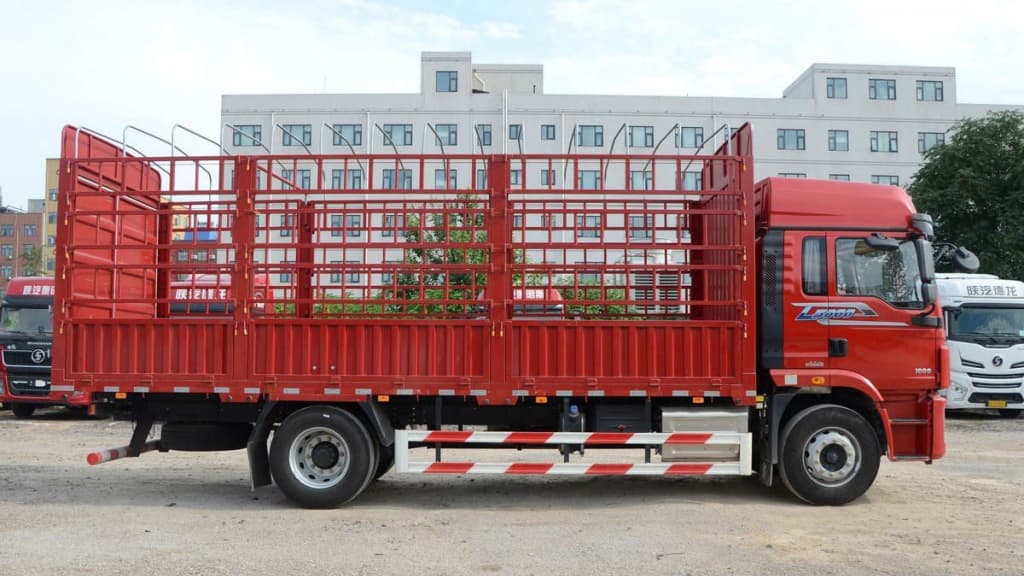
How to Choose the Right HOWO Lorry: A Practical Buying Guide for Procurement Managers
2025-12-02
As a procurement manager responsible for fleet purchases, your goal is maximizing uptime and minimizing total cost of ownership — not just finding the cheapest vehicle. Below is a practical, no-nonsense guide that walks you through the exact checks, specs and negotiation points to get the right HOWO lorry for construction, haulage or municipal work. 1. Define the job and the realistic payload Primary use: local tipper, long-haul haulage, heavy mining, or municipal duties? Typical load (tonnes): specify average and max loads — match the chassis, axles and suspension to the real payload, not the marketing number. Cycle length: short frequent trips vs. long-distance runs — this affects engine tune and gearbox choice. 2. Key technical specs procurement must insist on Gross Vehicle Weight (GVW) — ensure chassis rating exceeds your max loaded weight with margin. Engine model & horsepower — pick an engine with proven reliability in your operating region. Torque curve & gearbox — for heavy starts and steep grades prefer higher torque at low RPM and lower gear ratios. Axle configuration & payload distribution — verify axle loads and if additional axles are needed to meet local road rules. Fuel type and consumption estimates — request real-world consumption figures, not factory claims. Procurement tip Always request the VIN-level spec sheet for the exact chassis you’re buying — vague model names hide big differences in components and options. 3. Build quality & components to verify on inspection Frame integrity: look for uniform welding, no gaps, and consistent paint/coating. Axles, hubs and suspension: check for manufacturer stamps and serials to confirm OEM parts. Hydraulics (for dump tippers): test lift speed, seals and down-hold — leaking rams are a common failure point. Electrical harness & connectors: poor routing or exposed wiring predicts early troubles. 4. Spare parts & aftermarket support...
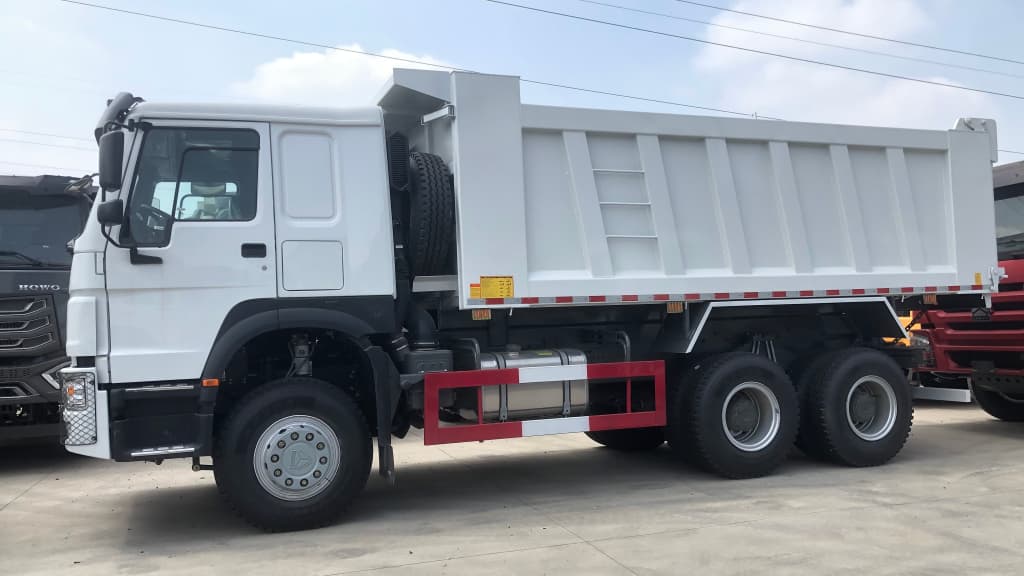
Buy Used HOWO Trucks: Best Sources, What to Inspect, and Real Price Ranges
2025-12-01
Buy Used HOWO Trucks: Practical Checklist, Typical Prices & Best Places to Source Looking for a reliable used HOWO truck? This guide walks you through what buyers actually search for and need to know — from where to buy to the inspection items that save you thousands. Read the parts you need and jump to the checklist near the end. View More Used HOWO Trucks https://zwvehicle.com/truck/howo-truck/ Why choose a HOWO truck? HOWO (Sinotruk) is known for heavy-duty durability and wide parts availability worldwide. For buyers focused on value, a well-maintained used HOWO can deliver years of service at a fraction of a new-truck cost. Common uses: construction, mining, bulk haulage, and regional heavy transport. Where to find trustworthy used HOWO trucks Authorized dealers or franchise resellers — usually inspected and with limited guarantees. Fleet auctions — good for volume buys; inspect vehicles beforehand. Online marketplaces (truck-specific portals and classifieds) — filter by VIN, hours, and seller rating. Local import yards / breakers — often lower prices but inspect carefully for hidden damage. Direct from contractors — sellers who can provide full service records and can negotiate on larger buys. What affects used HOWO prices? Major price drivers: model year, mileage/hours, engine model (e.g., WD615 vs. newer model), gearbox condition, chassis rust, accident history, and local demand. Expect wide variance: two otherwise identical HOWOs can differ by 20–40% depending on paperwork and condition. Hands-on pre-purchase inspection (do not skip) Quick inspection steps (order matters) Verify documents & VIN: match VIN across frame, engine, registration, and seller ID. Clear title and export documents are critical for import sales. Engine condition: inspect for leaks, heavy smoke on start, and oil level/condition. Ask for a compression/leakdown test if possible. Transmission & clutch: smooth gear changes, no grinding, check for oil leaks under...
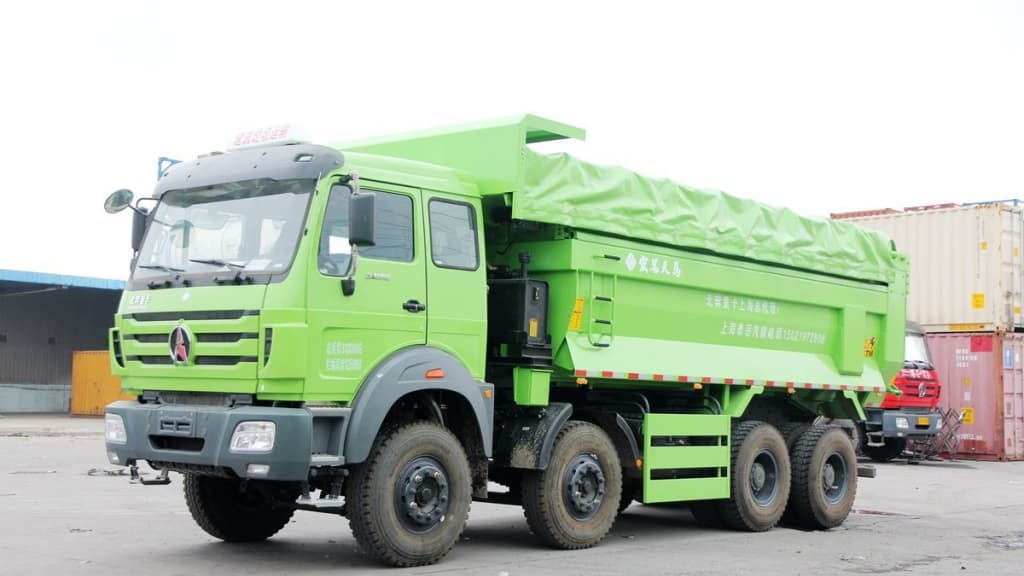
Sinotruk Howo 371 Truck — Real Specs, What It Actually Carries, Fuel & Buying Tips
2025-11-28
A practical, search-friendly guide for fleet buyers, drivers and site managers who are looking at the HOWO 371 (371 hp) family — what the numbers mean on paper, what it will realistically carry on site, and the things experienced operators notice after 50,000+ km. View More Howo Trucks Quick snapshot Engine: WD615 series, rated ~371 HP (turbocharged 6-cylinder diesel). Common drivetrain: 6×4 for dump/tractor variants; also available in 8×4 and tractor configurations. Typical payload: most dump/rig configurations carry roughly 30–40 tonnes depending on body size and local regulations. (Facts and typical configurations are based on manufacturer specs and trade listings.) What the “371” number really means Manufacturers label this family **HOWO 371** to indicate the engine rating of approximately 371 horsepower. In practice that means strong low-end torque for heavy loads — typical WD615 engines in the 371 tune produce **high torque between ~1100–1600 rpm**, which is why these trucks feel powerful when climbing or starting with a full bed. Common configurations & real-world capacity The HOWO 371 is offered as dump (tipper) trucks, tractor heads and rigid chassis for custom bodies. The most common commercial setups are: 6×4 dump truck (most common) — body lengths ~5.8–6.0 m, **practical load 25–35 t** depending on body thickness and local GVW limits. 8×4 heavy tipper — used where higher legal GVW is allowed; can be specified for **~35–40 t** payloads. Tractor (prime mover) — used with semi-trailers when long-haul or larger payloads are needed. Rule of thumb: published “rated loading” is a starting point — actual payload varies with body weight, axle specs and local road/GVW rules. Check curb weight vs permitted GVW before quoting a payload for contracts. Key specs (typical) Typical items to note when comparing offers: Engine model: WD615.47 (or similar WD615 family) — ~9.7 L displacement, 6 inline cylinders. Rated power: ~371 HP @ ~2200 rpm. Peak torque: around 1,200–1,450 Nm in the low-mid rpm...