As a procurement manager responsible for fleet purchases, your goal is maximizing uptime and minimizing total cost of ownership — not just finding the cheapest vehicle. Below is a practical, no-nonsense guide that walks you through the exact checks, specs and negotiation points to get the right HOWO lorry for construction, haulage or municipal work.
1. Define the job and the realistic payload
- Primary use: local tipper, long-haul haulage, heavy mining, or municipal duties?
- Typical load (tonnes): specify average and max loads — match the chassis, axles and suspension to the real payload, not the marketing number.
- Cycle length: short frequent trips vs. long-distance runs — this affects engine tune and gearbox choice.
2. Key technical specs procurement must insist on
- Gross Vehicle Weight (GVW) — ensure chassis rating exceeds your max loaded weight with margin.
- Engine model & horsepower — pick an engine with proven reliability in your operating region.
- Torque curve & gearbox — for heavy starts and steep grades prefer higher torque at low RPM and lower gear ratios.
- Axle configuration & payload distribution — verify axle loads and if additional axles are needed to meet local road rules.
- Fuel type and consumption estimates — request real-world consumption figures, not factory claims.
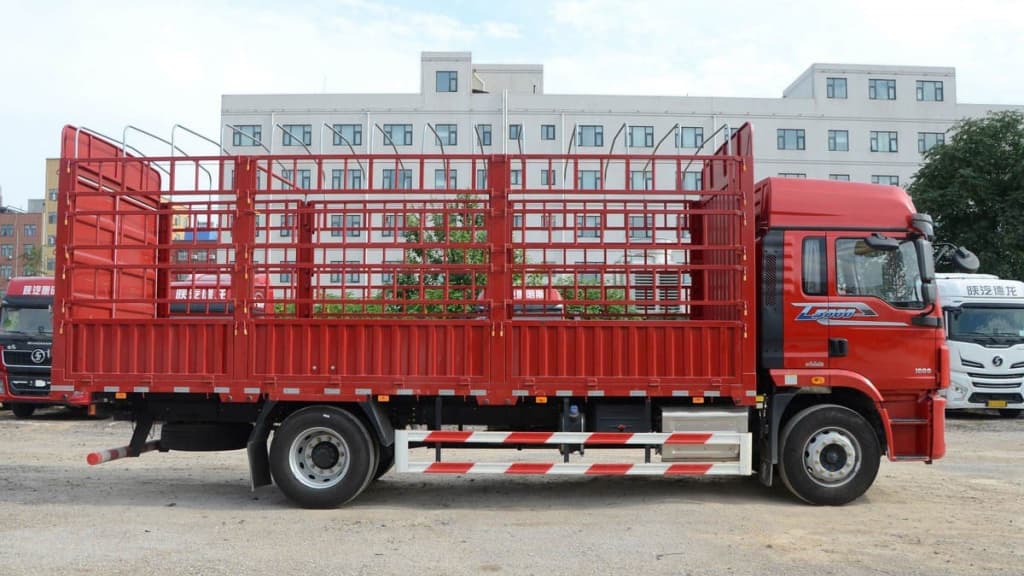
Procurement tip
Always request the VIN-level spec sheet for the exact chassis you’re buying — vague model names hide big differences in components and options.
3. Build quality & components to verify on inspection
- Frame integrity: look for uniform welding, no gaps, and consistent paint/coating.
- Axles, hubs and suspension: check for manufacturer stamps and serials to confirm OEM parts.
- Hydraulics (for dump tippers): test lift speed, seals and down-hold — leaking rams are a common failure point.
- Electrical harness & connectors: poor routing or exposed wiring predicts early troubles.
4. Spare parts & aftermarket support
- Local parts availability: confirm which major spares (injectors, turbo, gearbox parts, axles) are stocked in-country or regionally.
- Authorized service centers: list of dealers or independent shops trained on HOWO systems.
- Lead times and typical cost of key parts: ask suppliers for a 12-month parts list with prices and lead times — use it in your TCO model.
Negotiation leverage
If the supplier does not guarantee spare parts availability within 30 days, use that as a bargaining point for price, additional spares, or an extended warranty.
5. Warranty, after-sales and service-level agreements
- Warranty scope: engine, gearbox, chassis, electronics — ask what is excluded.
- Response time: maximum time to diagnose and to deliver critical components.
- Uptime guarantees: consider SLA clauses that tie payments or penalties to fleet availability if you’re buying many units.
6. Inspection checklist for used HOWO lorries
- Service records: full maintenance history, repairs, and previous payloads.
- Rust & corrosion: check chassis rails, cross-members, and underbody — rust in these areas is expensive to repair.
- Compression and smoke test: to evaluate engine health — insist on test results from an independent shop.
- Road test: listen for gearbox whine, abnormal vibrations, or turbo lag.
7. Total Cost of Ownership (TCO) model — the numbers you must run
- Purchase price
- Estimated fuel per year (use realistic duty cycles)
- Annual maintenance & parts
- Downtime cost (lost revenue, temporary hires)
- Resale value after expected service life
Procurement action: ask vendors to provide a 5-year TCO comparison for each spec you consider — if they refuse, discount their price to account for unknowns.
Paperwork you must collect before signing
- Original manufacturer certificate and VIN documentation
- Complete service and repair history
- Customs and export/import papers if applicable
- Warranty contract and SLA with contact points
8. Logistics, shipping & compliance
- Port handling and RoRo vs container shipping: choose the option that minimizes damage and handling time.
- Local homologation and taxes: confirm vehicle meets local load plate regulations and emissions requirements.
- Insurance during transit: cover loss, damage and delay — request supplier packing photos.
9. Red flags that should stop a purchase
- No VIN-level spec or mismatched chassis numbers
- Unexplained gaps in service history or inconsistent repair records
- Supplier refuses independent inspection or third-party pre-shipment checks
- Parts lead time > 60 days for key items like injectors or axle assemblies
10. Practical checklist to bring to every vendor meeting
- Written spec sheet for the required job
- Questions about parts, dealers and warranty response times
- Request for VIN-level documentation and recent photos
- Pre-shipment inspection clause in contract (with third-party inspector named)
Use the points above as your working procurement template: match specs to duty, verify build quality, lock down parts support, and always put enforceable SLAs into the contract. That’s how you ensure a HOWO lorry purchase supports operations instead of creating headaches.