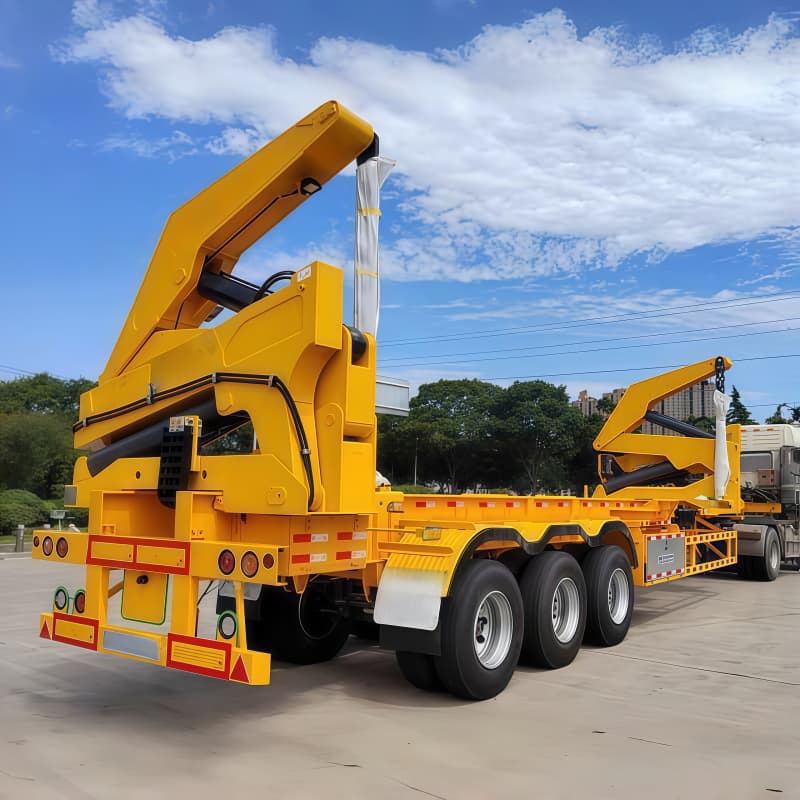
How Do You Choose the Best Container Side Loader Trailer for Logistics in Nigeria?
2026-07-08
In the rapidly growing logistics and transport sector of Nigeria, efficient port clearance and container handling are critical to business success. Ports in Lagos, such as Apapa and Tin Can Island, face ongoing congestion challenges. For transport companies, freight forwarders, and heavy industry operators, relying on traditional external cranes or waiting for port stackers leads to expensive delays and demurrage fees. A container side loader trailer, also known as a sidelifter, offers an independent solution by integrating hydraulic cranes directly onto the semi-trailer chassis. What Is a Container Side Loader Trailer and How Does It Work? A container side loader trailer is a specialized heavy-duty transport vehicle equipped with two hydraulic cranes mounted on the trailer chassis. This engineering design allows the operator to self-load or unload ISO shipping containers from the ground, another trailer, or train wagons without requiring extra heavy machinery. The lifting cranes are powered by an independent Power Take-Off (PTO) system or a separate diesel engine power pack, ensuring smooth hydraulic operation during heavy lifting. Container Side Loader Trailer 40ft 3 Axles 60t Yellow High-quality container side loader trailer designed for efficient and safe container transportation and handling. View Product Details → Container Side Loader Trailer 40ft 3 Axles Green High-quality container side loader trailer designed for efficient and safe container transportation and handling. View Product Details → Who Needs a Sidelifter Trailer in the West African Market? This equipment is specifically designed for container transport companies, logistics providers, and shipping lines operating throughout Nigeria and neighboring West African corridors. It serves industries such as construction, manufacturing, and international trade where containers must be delivered directly to job sites, rural warehouses, or urban centers that lack permanent overhead crane infrastructure. By enabling a single operator to manage the entire loading process, it reduces labor costs and...
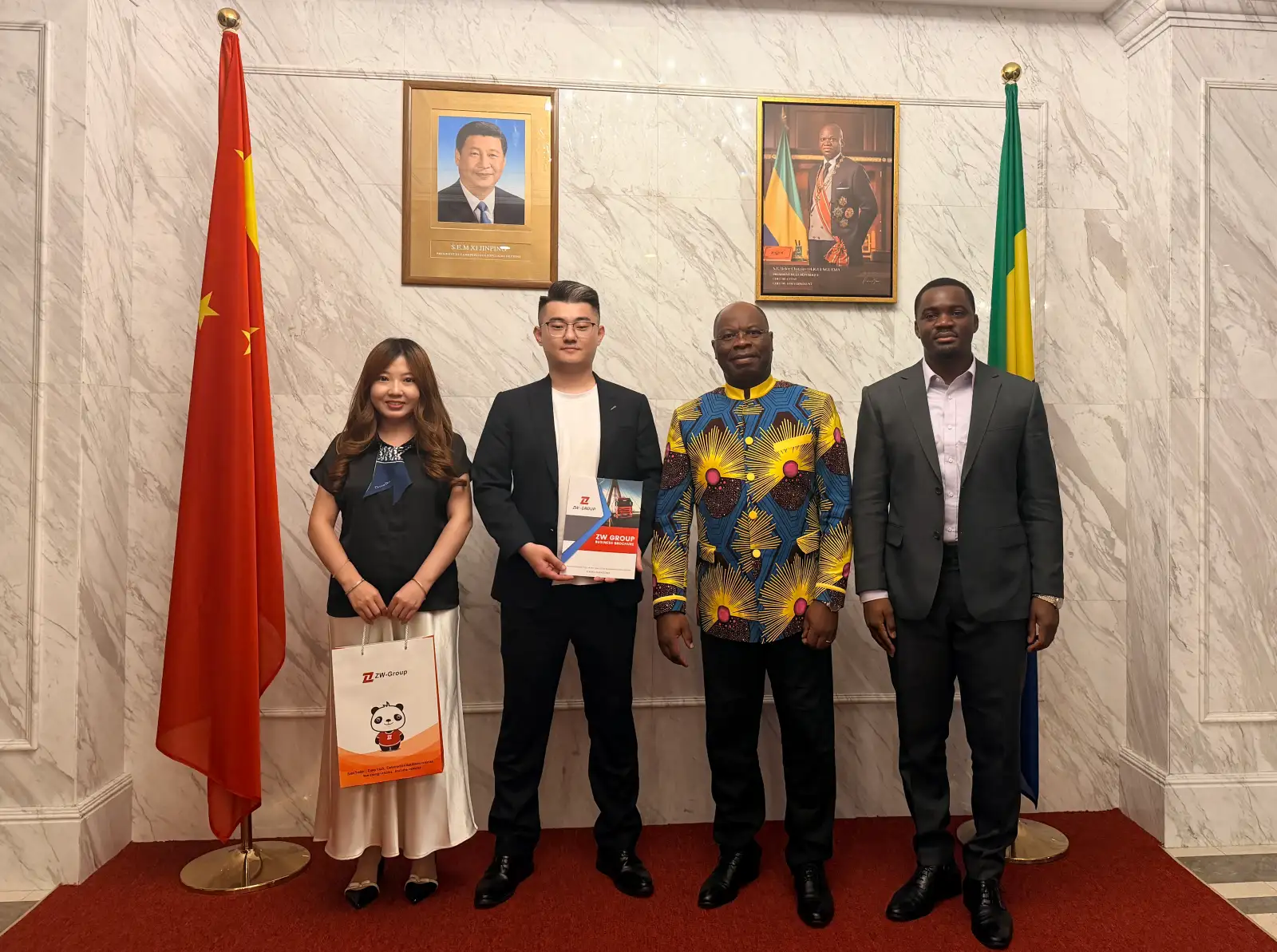
Heavy Trucks in Gabon: How ZW GROUP Powers African Infrastructure with Premium HOWO & SHACMAN Fleets
2026-07-03
The demand for reliable heavy trucks in Gabon has reached an all-time high. Driven by national infrastructure projects, arterial highway expansions, and deep-tier mining operations, Gabonese enterprises require robust commercial vehicles capable of enduring harsh tropical terrains. To bridge this critical supply chain gap, ZW GROUP recently hosted strategic, closed-door talks with His Excellency NDONG ELLA Baudelaire, the Gabonese Ambassador in Beijing. This high-level diplomatic partnership solidifies ZW GROUP’s position as a premier supplier of high-performance semi-trailers and remanufactured Chinese heavy trucks (Sinotruk HOWO and SHACMAN) tailored specifically for the Central and West African markets. Executive Summary: China-Gabon Strategic Fleet Logistics The strategic bilateral meeting focused extensively on accelerating the procurement velocity of high-performance, cost-effective heavy trucks. Key agenda items detailed the structural deployment of infrastructure construction fleets within Gabon, technical quality mitigation protocols for heavy trucks, and the streamlined execution of cross-border bulk vehicle trade mechanisms between China and Central/West African sub-regions. Why Gabonese Fleet Operators Choose Chinese Heavy Trucks Traditional European OEM procurement cycles introduce prohibitive capital expenditure and prolonged lead times for rapidly expanding fleet operators. Conversely, ZW GROUP leverages localized Chinese automotive manufacturing ecosystems to deliver high-tonnage prime movers and tippers that strike a precise balance between raw tractive effort, mechanical serviceability, and aggressive cost optimization. This structural advantage allows mining concessionaires and civil engineering contractors to minimize initial fleet acquisition outlays while maximizing material transport payloads per kilometer. The ZW GROUP Mechanical Remanufacturing Protocol: Industrial-Grade Vehicle Reconstruction Rather than supplying standard secondary-market used vehicles that suffer from structural fatigue and unverified operational histories, ZW GROUP implements a rigorous, tier-one remanufacturing methodology across three fundamental technical vectors: 1. Core Powertrain Component Swapping Every internal combustion engine undergoes complete teardown, chemical de-greasing, and hot-tank ultrasonic cleaning. High-wear internal components—including primary elastomer seals, compression rings, oil scrapers, and...
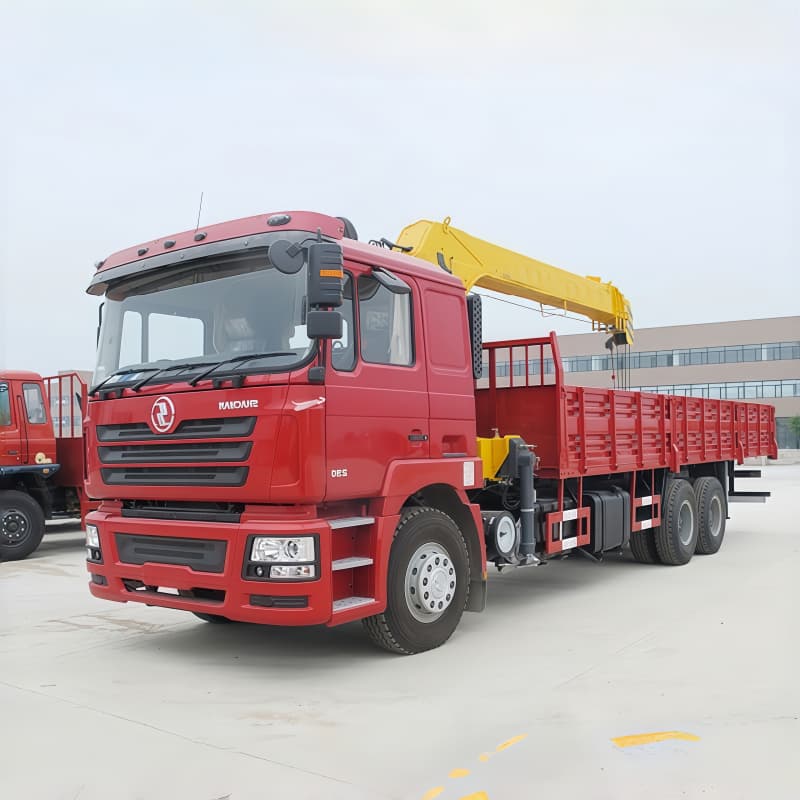
Why Is the Shacman Truck Mounted Crane Becoming Ghana’s Top Choice for Heavy Lifting?
2026-06-29
Ghana’s infrastructure, mining, and logistics sectors are experiencing unprecedented growth. From expanding port facilities in Tema and Takoradi to gold mining operations in Obuasi, logistics companies and contractors require dependable, heavy-duty machinery. The Shacman Truck Mounted Crane has emerged as a frontline solution, combining a robust, high-end truck chassis with precision hydraulic lifting technology. What Exactly Is a Shacman Truck Mounted Crane? A Shacman truck mounted crane (also known as a boom truck or lorry crane) integrates a high-performance heavy-duty commercial vehicle chassis with a hydraulic lifting crane. Instead of deploying a separate mobile crane and a cargo transport truck to a job site, this engineering vehicle executes both lifting and transportation seamlessly, slashing operational and labor costs significantly for Ghanaian businesses. Who Needs to Invest in This Versatile Cargo Crane Truck? This specialized vehicle is engineered for various industries across West Africa, particularly serving: Construction Contractors: Ideal for moving concrete forms, steel beams, and structural components on urban construction sites in Accra and Kumasi. Mining and Quarrying Operations: Essential for transporting heavy machinery spare parts and equipment in the Western Region's gold belts. Electricity and Utility Companies: Widely used for erecting concrete power poles and installing heavy transformers across rural electrification projects. Logistics and Port Operators: Perfect for loading and unloading heavy freight containers directly from flatbeds without waiting for stationary port cranes. Shacman F3000 Truck Mounted Crane 340HP 6x4 Highly recommended high-performance cargo truck equipped with a powerful 340HP engine and a durable mounted crane, perfect for heavy-duty lifting and seamless logistics operations. View Product Details → Shacman F3000 Truck Mounted Crane 375HP 8x4 White An excellent heavy-duty 8x4 configuration featuring a robust 375HP engine. This premium white truck-mounted crane offers exceptional stability and superior lifting capacity for demanding construction sites. View Product Details → Where and When...
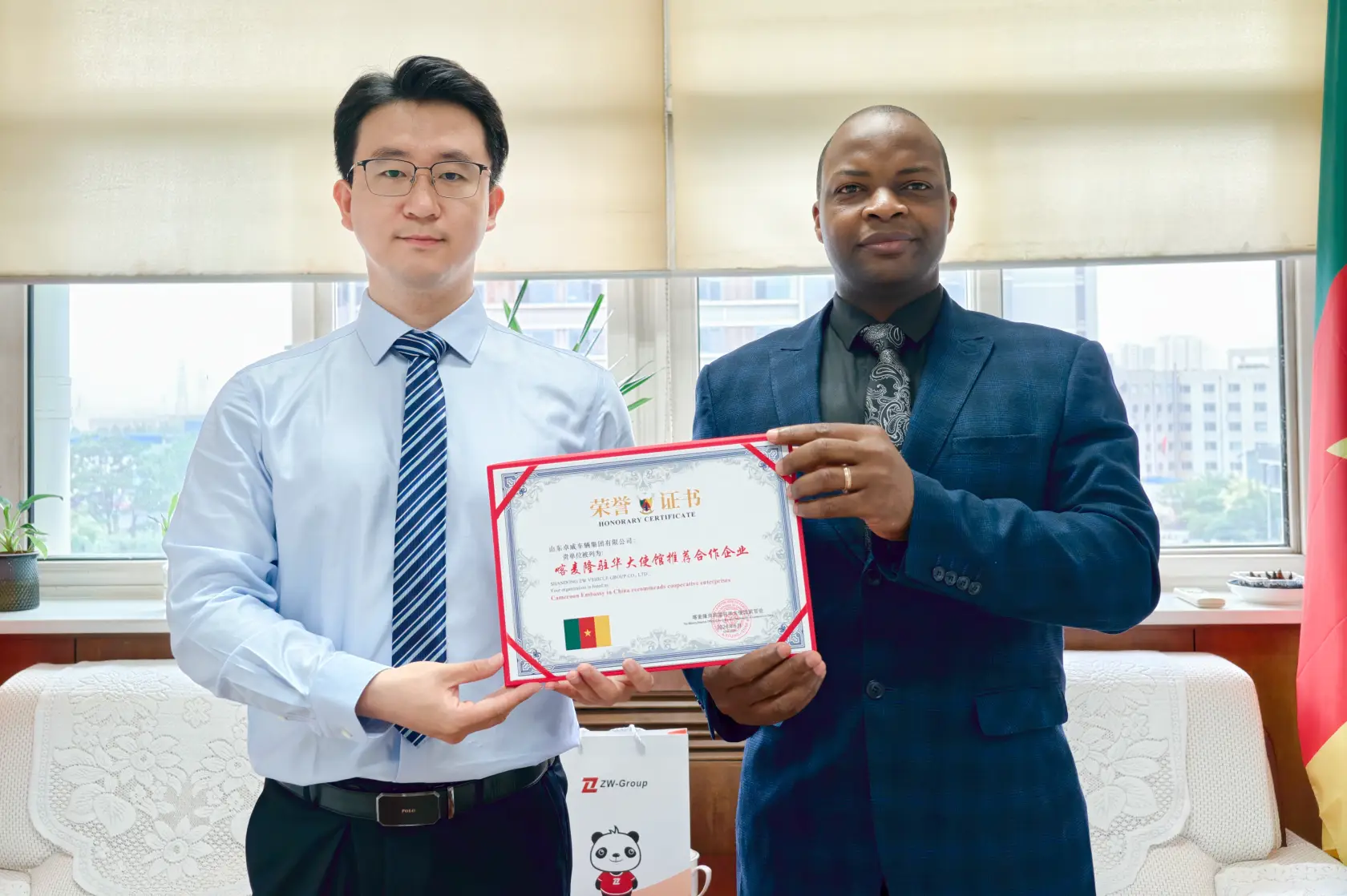
ZW Group Welcomed at Cameroon Embassy: Securing Official Recommendation for Infrastructure and Heavy Equipment Solutions
2026-06-22
In a significant milestone for international business relations and cross-border engineering development, Mr. Kiyya Zhang, Manager of ZW Group, recently conducted an official diplomatic visit to the Embassy of Cameroon in China. This high-level engagement with Mr. Etoua Julien Freddy focused heavily on expanding practical, long-term cooperation regarding national infrastructure expansion, logistics networks synchronization, and advanced engineering equipment supply chains. Following these highly productive negotiations, ZW Group was officially listed as a recommended cooperative enterprise by the Cameroon Embassy in China. This prestigious distinction firmly cements the company’s status as a premier global provider of heavy trucks, advanced construction machinery, and high-performance commercial vehicles. For more comprehensive information about our certified fleets and engineering solutions, please visit our official website at https://zwvehicle.com. Strengthening Infrastructure with Reliable Heavy Transportation The primary focus of the diplomatic dialogue centered on advancing structural logistics capabilities and upgrading regional cargo corridors. The embassy representatives highly acknowledged ZW Group for its exceptional global track record in delivering robust heavy trucks and specialized transport vehicles to demanding international markets. This formal recognition underscores a mutual dedication to improving road freight networks, municipal development projects, and heavy-duty cargo transit across Central Africa. By closely aligning our specialized commercial manufacturing capabilities with their long-term regional developmental goals, both parties aim to establish an exceptionally efficient transport ecosystem. This collaborative progress will ultimately accelerate local economic growth and ensure seamless supply chain stability across major construction sites. Tailored Engineering Machinery for Complex Projects Delivering high-performance transport equipment requires a deep, field-tested understanding of local road terrain, specific cargo profiles, and strict project timelines. ZW Group explicitly avoids a generic, one-size-fits-all manufacturing approach. Instead, the company provides highly customized construction machinery and heavy-duty semi-trailers engineered to endure harsh environments while maximizing fleet uptime. During the intensive embassy negotiations, we showcased how...
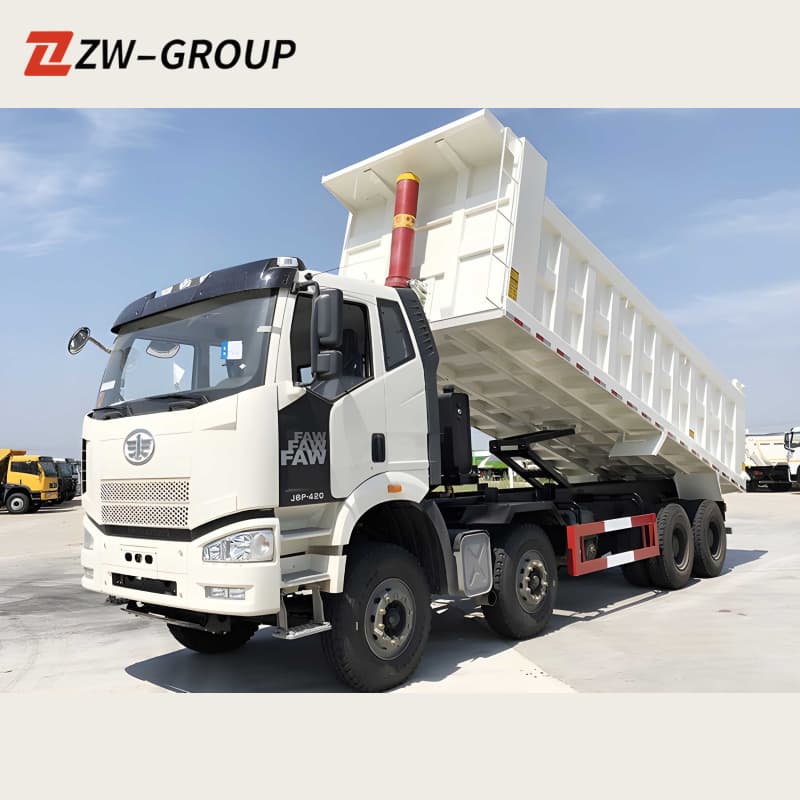
Which FAW Truck Model Delivers the Best Performance for DRC's Mining and Logistics Demands?
2026-06-19
Operating heavy machinery in the Democratic Republic of the Congo presents a distinct set of engineering and logistical challenges that few global markets can match. From the deep, dusty pits of the Kolwezi copper-cobalt belt to the gruelling long-haul stretches of National Road No. 1 (the N1 corridor), fleet owners, mining contractors, and logistics operators require trucks that are not just powerful but possess an almost industrial-grade resilience. The question for most procurement managers in Lubumbashi and Kinshasa is not simply about price, but about which equipment will deliver the lowest total cost of ownership under the most punishing operational conditions on the continent. This article provides a detailed engineering and commercial analysis of FAW trucks, examining why these heavy-duty workhorses have become a cornerstone for mining logistics in the DRC and across Southern Africa. Who Relies on FAW Trucks in the DRC? The user base for FAW heavy-duty trucks in the DRC is as demanding as the environment they operate in. These vehicles are not intended for light urban deliveries; they are the lifeblood of the country's resource extraction and infrastructure development sectors. Mining Operators in Kolwezi and Lualaba Province: Companies engaged in copper and cobalt extraction rely on FAW dump trucks to move overburden and extracted ore from pit bottoms to processing facilities. The high-frequency, short-haul cycles in these mines demand exceptional structural integrity and braking performance. Cross-Border Logistics Firms: Operators running the Lubumbashi-Zambia corridor, connecting the DRC's mineral wealth to the ports of Durban and Dar es Salaam, depend on FAW tractor units for their reliability on long, often unpaved stretches. These fleets require vehicles that can maintain high average speeds while hauling maximum legal payloads across border checkpoints. Local Construction Contractors: In expanding cities like Kinshasa and new development zones, contractors use FAW 8x4 tipper trucks...
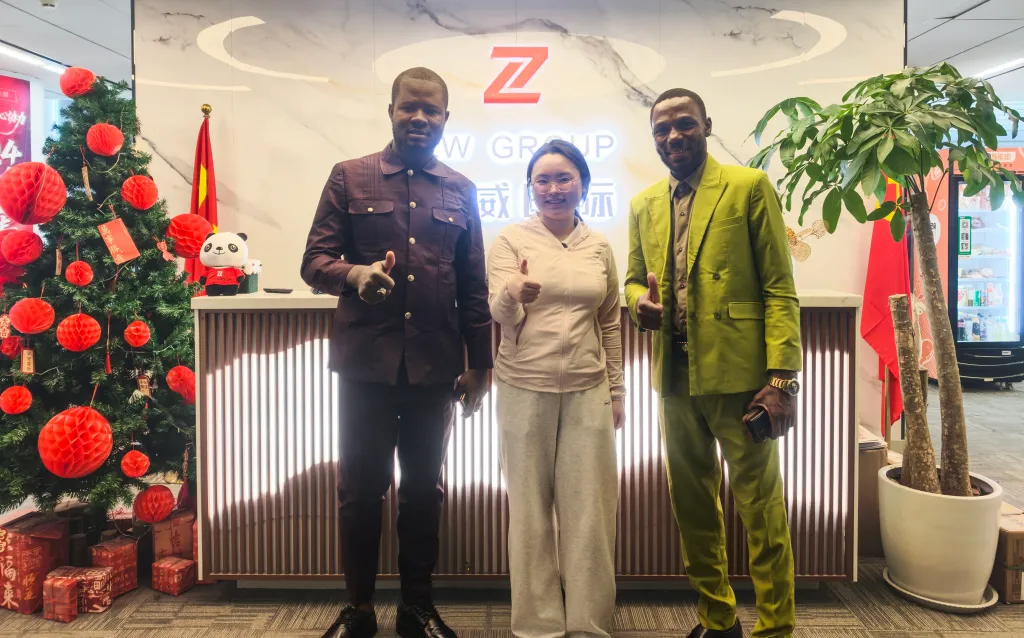
Howo Dump Truck in Burkina Faso: A Real Fleet Purchase Case from Ouagadougou
2026-06-15
For construction company owners, mining contractors, logistics managers, and public infrastructure teams in West Africa, the right dump truck has to do more than carry material. It must keep working on rough roads, handle heavy loads, survive long operating hours, and remain easy to service when conditions are far from ideal. That is exactly why the Howo dump truck has become a familiar name across Burkina Faso and nearby markets. A recent client in Ouagadougou, Burkina Faso, placed a mixed fleet order that included 2 brand-new Howo dump trucks and 3 used units. The trucks were assigned to different jobs: the new units for a government road project, and the used units for quarry and mining haulage. This kind of purchase reflects a practical reality in French-speaking Africa: buyers often need both long-term reliability and immediate cost control. What a Howo Dump Truck Is A Howo dump truck is a heavy-duty tipping truck produced under the Sinotruk Howo platform. It is built for moving sand, gravel, laterite, stone, ore, demolition waste, and other bulk materials. In many African markets, the same vehicle is also called a Howo tipper truck. The most common configurations are 6x4 and 8x4. A 6x4 model is widely chosen for road building, quarry work, and general construction site transport because it balances traction, maneuverability, and operating cost. An 8x4 model is often preferred when a higher payload capacity is needed, especially in mining haulage and large-scale earthmoving. Typical engine options include the 371hp engine and the well-known WD615 engine. Buyers often ask about Howo 371 horsepower because it has a strong reputation for pushing heavy loads in hot climates and on uneven terrain. In practical use, the right engine depends on the route, the load weight, and the fuel budget. Real-world note: For a Burkina Faso...
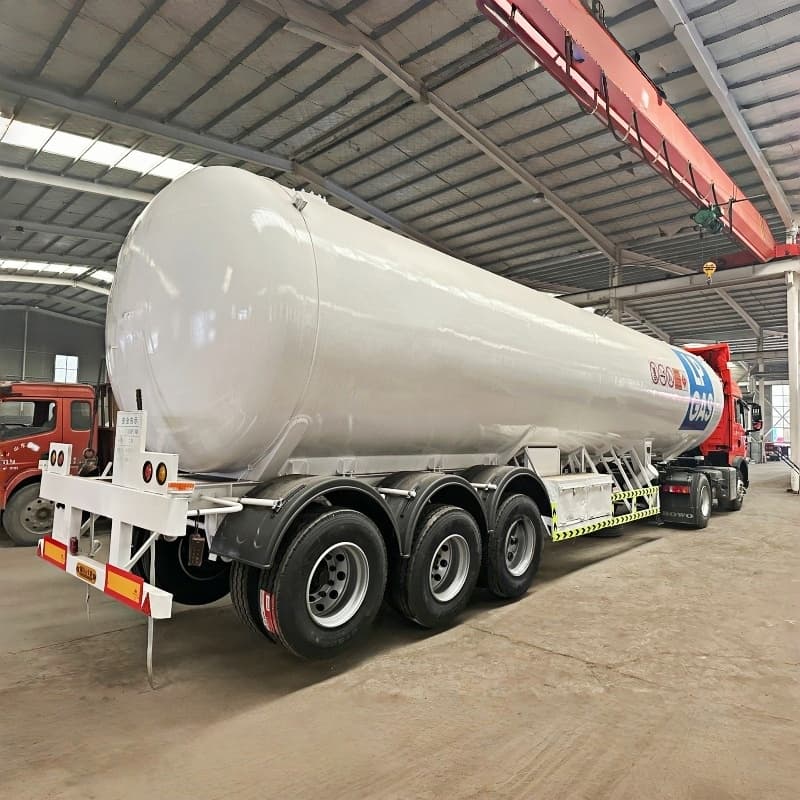
LPG Tanker Trailer for Malawi: Complete Specifications, Safety Compliance & Import Process
2026-06-12
Optimizing Energy Logistics in Southeast Africa As Malawi accelerates its transition toward cleaner cooking energy and industrial efficiency, the demand for Liquefied Petroleum Gas (LPG) is growing exponentially. To maintain a reliable LPG supply chain, companies require robust equipment capable of cross-border haulage and regional distribution. A high-quality LPG tanker trailer is the backbone of this infrastructure, ensuring secure bulk LPG delivery from regional coastal ports directly into the heart of Malawi. Who Benefiting from Bulk LPG Tanker Trailers in Malawi Efficient fuel transport is critical for several key players within the Malawian energy landscape. Implementing a dedicated semi-trailer for bulk transport serves various high-volume operations: LPG Importers and Wholesalers: Companies managing large-scale procurement and bulk storage facilities in major economic hubs like Lilongwe and Blantyre. LPG Distribution and Retail Companies: Enterprises operating LPG cylinder filling plants that require continuous replenishment to serve residential and commercial markets. Industrial and Agricultural Processors: Tobacco curing facilities, tea processing estates, and manufacturing plants utilizing clean energy for thermal applications. Commercial and Institutional Facilities: Large-scale operations including major hospitals, hotel chains, and educational institutions that maintain autonomous LPG storage installations. Propylene LPG Tanker Trailer Aluminum Alloy Material 53m³ 30t 3 Axles Highly recommend this premium aluminum alloy propylene LPG tanker trailer. Featuring a 53m³ high capacity and robust 3 axles design, it delivers outstanding transport efficiency and safety performance for your logistics needs. View Product Details → Propane LPG Tanker Trailer Carbon Steel Material 50m³ 29t 3 Axles We strongly recommend this high-strength carbon steel propane LPG tanker trailer. Built with a 50m³ volume and a reliable 29t capacity, it offers exceptional durability and cost-effectiveness for heavy-duty gas transportation. View Product Details → Carbon Steel LPG Tanker Trailer 53m³ 3 Axles White An excellent choice for your fleet: this 53m³ carbon steel LPG tanker...

How to Choose the Right Cement Bulk Tanker Trailer for African Road Conditions
2026-06-08
Traditional bagged cement transport is rapidly giving way to bulk logistics. Traditional bagging methods incur material losses of 3% to 5% due to moisture, tearing, and manual handling errors. To eliminate these inefficiencies, fleet managers, bulk powder transport contractors, and cement plant logistics operators are transitioning to the cement bulk tanker trailer. Also known as a bulk cement semi trailer or pneumatic powder tanker, this heavy-duty commercial vehicle provides a fully sealed, dust-free environment that preserves material quality from the production silo to the final construction site. Engineering Architecture of a Pneumatic Cement Tanker A professional-grade dry bulk powder tanker is engineered to withstand both internal pneumatic pressure and external structural stress. The tank body typically features a V-shaped tank design or a specialized cylindrical geometry optimized for material flow. High-strength steel construction, utilizing Q235 or Q345 carbon steel with a tank material thickness of 3mm to 6mm, ensures structural integrity without adding unnecessary tare weight. Advanced manufacturing techniques allow modern premium configurations to achieve a lightweight design as low as 6.6 tons tare weight, maximizing the legal payload capacity. Core Structural Components Hemispherical End Plates: Spherical tank heads are welded to both ends of the vessel to distribute internal pressure evenly, preventing structural deformation during high-pressure fluidization. Fluidized Bed System: Positioned at the base of the V-shaped compartments, the fluidization aeration system uses multi-layered canvas or breathable synthetic materials to introduce compressed air into the powder layer. Air Compressor and Discharge Pipe Assembly: Driven by an auxiliary diesel engine or a tractor-head power take-off (PTO) system, the compressor pumps air into the tank, forcing the fluidized cement through an aerodynamic discharge valve network. Heavy-Duty Running Gear: A robust 3-axle configuration utilizing premium BPW or FUWA axle brands, paired with heavy-duty mechanical leaf spring suspensions, provides the stability required for...
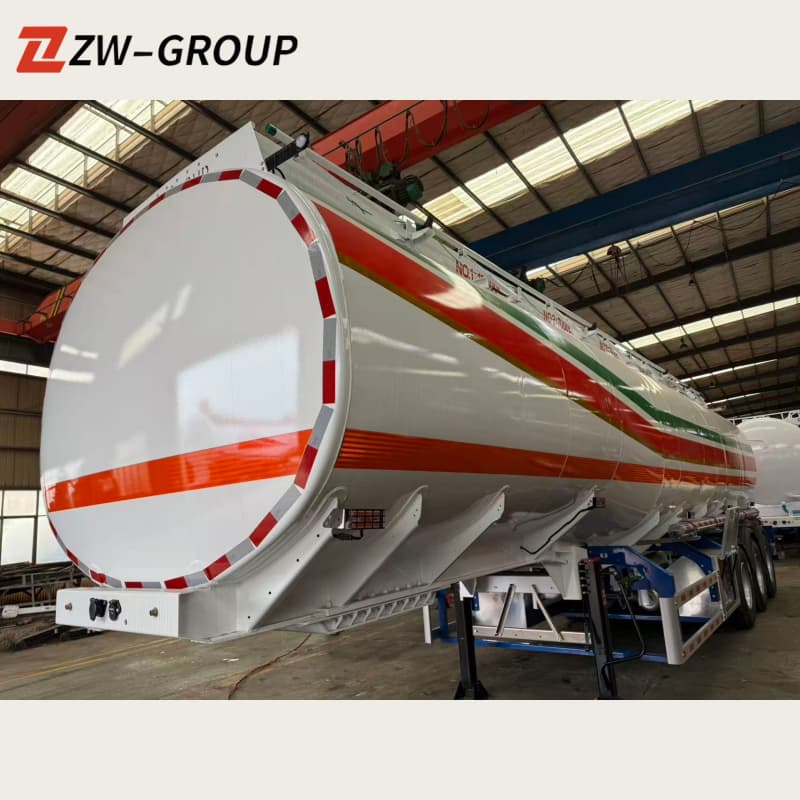
Why Tri-Axle Fuel Tanker Trailers Are the Best Choice for Zimbabwe Mining Logistics
2026-06-05
Executive Insight Zimbabwe's mining and petroleum sectors are experiencing sustained capital investment, driving unprecedented demand for reliable bulk fuel transport. For fleet managers operating along the Beira corridor or servicing remote extraction sites in the mineral-rich Great Dyke, equipment failure is not an operational inconvenience—it is a direct threat to production continuity. Selecting the correct tri-axle fuel tanker trailer directly determines whether your logistics chain maintains profitability or haemorrhages revenue through downtime and penalties. 1. The Operational Landscape: Who Requires Heavy-Duty Fuel Transport in Zimbabwe Fuel logistics in Zimbabwe is not a homogenous market. The requirements of a Harare-based commercial distributor differ materially from those of a contractor running diesel to a chrome mine near Shurugwi. Understanding the specific user profiles clarifies why standard equipment often proves inadequate. Mining Fleet Operators: These end-users manage the continuous refuelling of massive off-road haul trucks, excavators, and on-site generators. They demand tankers with exceptional payload capacity and structural integrity to withstand unpaved, corrugated mine roads. A stranded fuel bowser halts a multi-million-dollar operation. Cross-Border Logistics Companies: Transporters moving refined petroleum from Beira, Mozambique, into Zimbabwe or ferrying cargo along the North-South Corridor require equipment optimised for highway speed, fuel efficiency, and swift ZIMRA customs clearance. These operators value lightweight engineering that maximises legal payload limits across borders. Independent Fuel Station Owners & Distributors: Entities managing networks from Mutare to Bulawayo need versatile, multi-compartment tankers capable of delivering both petrol and diesel in a single trip, maintaining product purity while navigating narrow urban forecourts and rural access roads. The unifying thread across these profiles is the punishing operational environment. Major arterial routes like the Beira corridor transport link are critical yet often congested and subject to abrupt surface degradation. Local infrastructures demand a rugged transport solution where suspension and braking system reliability are non-negotiable...

ZW Vehicle Group Named Recommended Partner by Ghana Embassy
2026-06-01
JINAN, China – May 2026 – In a landmark development underscoring the deepening of China-Africa industrial cooperation, ZW Vehicle Group ZWGroup has been officially designated as a "Recommended Partner" by the Ghanaian Embassy, following a high-level strategic visit at the company's headquarters in Jinan, Shandong Province. Dr. Richmond Afotey Nii Okle, Minister-Counsellor for Investment & Tourism at the Ghana Embassy in China, was warmly received by ZW Group’s Chairman Yongchang Sun Ivan, General Manager Pierce Guo, and Secretary General Vera Jiang, alongside other members of the senior management team. This high-profile diplomatic meeting focused extensively on bolstering Ghana’s economic trajectory by enhancing its logistics, mining, and construction sectors with world-class, durable transport solutions. Striving for Excellence in Logistics & Infrastructure Throughout the official engagement, Dr. Okle highlighted Ghana’s ongoing investments in road networks, energy logistics, and mineral resource development, emphasizing the necessity for reliable international partners with proven expertise. Following an in-depth tour of ZW Group’s state-of-the-art manufacturing facilities and comprehensive product showcase, the Ghanaian Embassy officially designated ZW Vehicle Group as a Recommended Partner. This prestigious recognition not only solidifies future bilateral cooperation focused on transport equipment procurement and engineering vehicle deployment but also serves as a testament to ZW Group’s mature export experience and highly developed after-sales service systems, which were cited as key factors in securing this long-term diplomatic trust. Engineered for Excellence: Strength in Manufacturing The delegation’s tour of ZW Group’s production facilities offered deep insight into the company’s robust quality management, production efficiency, and global export operations. ZW Group highlighted its extensive product range specifically engineered to thrive under the rigorous road conditions and demands of African markets, including heavy-duty trucks, lowboy heavy equipment transport trailers, dump semi-trailers, fuel tankers, cement bulk tankers, and specialized mining and industrial transport solutions. Commitment to a Sustainable Sino-African Future Chairman Sun Yongchang articulated the organization’s...