For logistics operators, chemical manufacturers, and industrial distributors across Kampala, Jinja, and Entebbe, transporting corrosive liquids like sulfuric acid or caustic soda demands equipment engineered for both safety and durability. The combination of East African Community (EAC) transport regulations, Uganda National Bureau of Standards (UNBS) compliance, and the harsh local climate creates a unique operational environment. Selecting the wrong chemical tanker trailer leads to rapid corrosion, hazardous leaks, and costly downtime. This technical guide provides fleet managers and procurement officers with the engineering criteria, material science, and import procedures necessary to deploy reliable acid tankers on routes like the Kampala-Mbarara highway and the Northern Corridor.
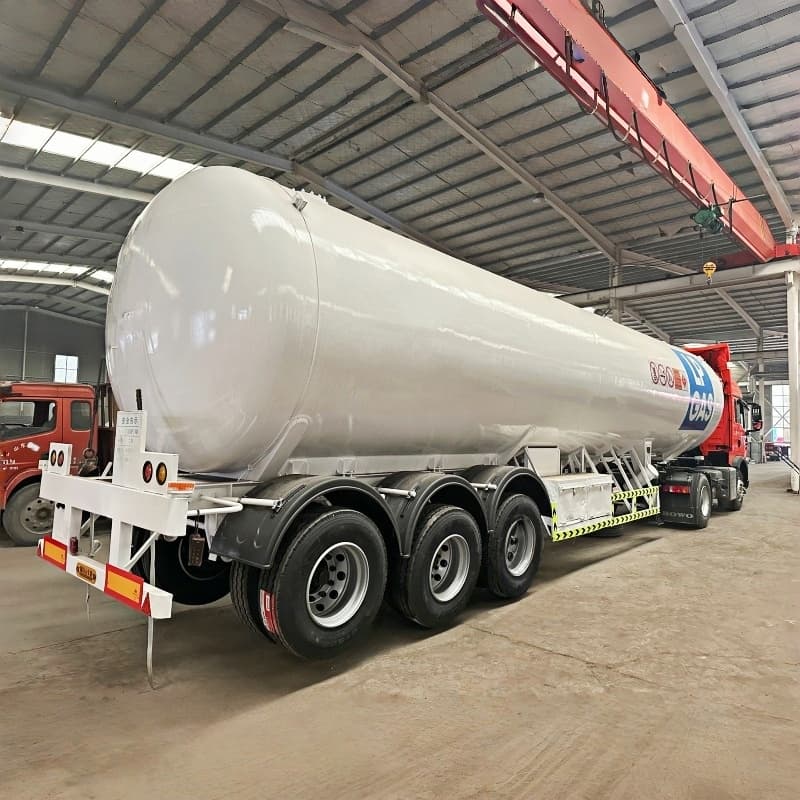 |
Propylene LPG Tanker Trailer Aluminum Alloy Material 53m³ 30t 3 Axles |
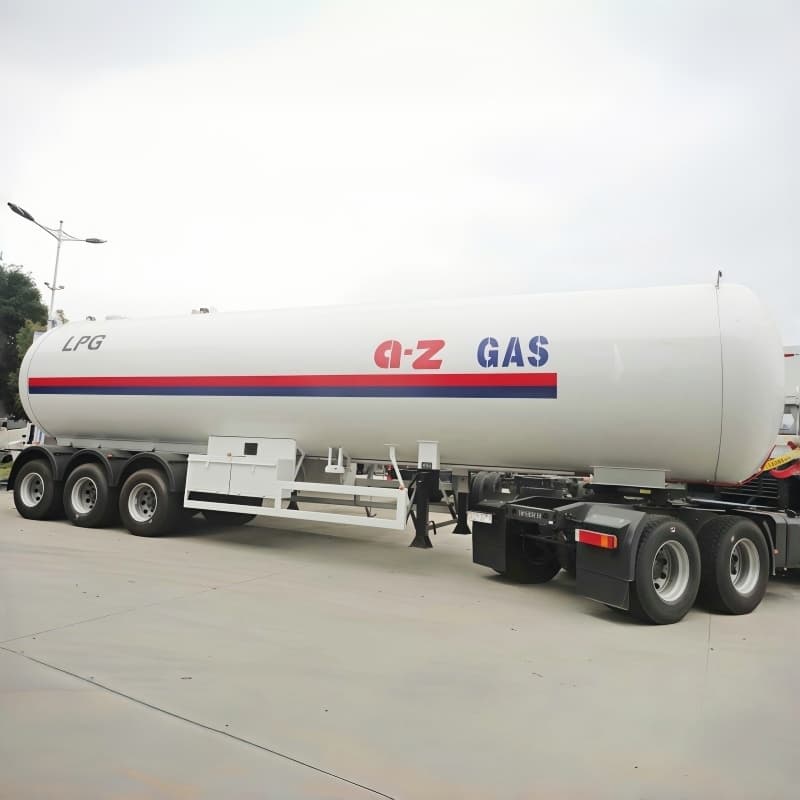 |
Propane LPG Tanker Trailer Carbon Steel Material 50m³ 29t 3 Axles |
 |
Stainless Steel Liquid Nitrogen Cryogenic Tanker Semi Trailer 34m³ 3 Axles |
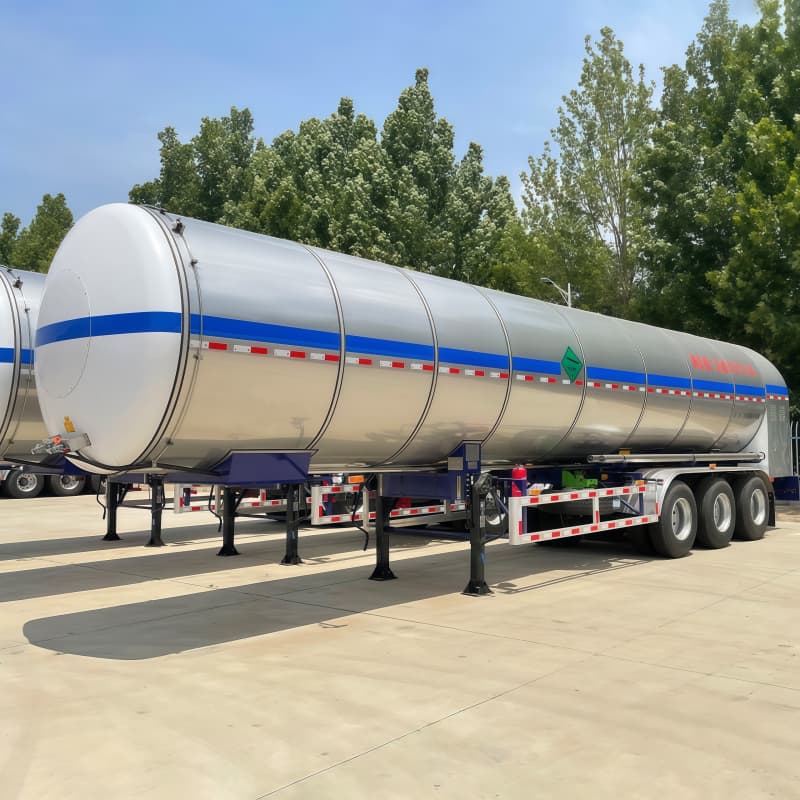 |
Aluminum Alloy Liquid Argon Cryogenic Tanker Semi Trailer |
Engineering the Right Tanker: Material Science for Uganda’s Chemical Profile
The core of a safe chemical transport truck trailer lies in its tank shell and material compatibility. Standard mild steel (Q235) is inadequate for most corrosive loads unless lined. For direct contact, SS316L stainless steel offers superior resistance to pitting from chlorides and acidic media, while lined carbon steel provides a cost-effective barrier for specific chemicals. The required tank shell thickness typically ranges from 4mm to 6mm for stainless steel, but may reach 8mm for carbon steel to withstand both internal pressure and external impacts on uneven Ugandan roads.
Operators moving sulfuric acid transport (concentrations above 93%) can use carbon steel with a passivation layer, but this requires strict moisture control. For variable concentrations or mixed chemical runs, SS316L stainless steel is the preferred industry standard. When hauling caustic soda, stainless steel or rubber-lined carbon steel prevents stress corrosion cracking. Every tank must integrate a vapor recovery system to meet EAC environmental protocols and reduce product loss.
Critical Engineering Specifications for Uganda:
- 3-axle configurations with mechanical or air suspension to balance payload optimization against axle load limits (max 10 tonnes per axle under EAC rules).
- Air suspension recommended for fragile cargo and better shock absorption on rough Northern Corridor stretches; mechanical suspension for heavy-duty, lower-maintenance needs.
- Discharge valves must be UNBS-approved, corrosion-resistant (PTFE-lined), and operable under local temperature fluctuations (15°C to 40°C).
- External thermal insulation to prevent cargo degradation and internal pressure build-up.
Operational Realities: Where and When to Upgrade Your Fleet
The lifespan of a chemical tanker trailer in tropical East Africa is significantly shorter than in temperate regions. On the Kampala-Mbarara highway, constant vibrations, high humidity, and corrosive road salts (from mineral dust) accelerate metal fatigue. Fleet operators should schedule a mandatory integrity assessment every 5 years or 200,000 km. The critical upgrade trigger is when ultrasonic testing shows wall thickness reduction exceeds 15% of original specification, or when frequent repair of discharge valves and relief vents occurs. Ignoring these signs risks catastrophic leaks, especially when transporting corrosive liquids under pressure.
During the rainy season (March-May and September-November), increased road moisture combined with residual chemical spills can rapidly attack tank exteriors. This is the precise lifecycle stage where replacing older Q235 carbon steel units with SS316L stainless steel or properly lined vessels becomes a safety imperative.
Comparative Analysis: Material Configurations for Ugandan Chemicals
The following table outlines the most common chemical tank trailer manufacturer specifications and their suitability for local industrial liquids. Use this to guide your procurement decision.
| Material | Typical Grade | Compatible Chemicals (Ugandan Context) | Average Lifespan (Tropical Conditions) | Key Limitation |
|---|---|---|---|---|
| Carbon Steel (Lined) | Q235 + PTFE / Rubber lining | Sulfuric acid (98%), caustic soda (50%), industrial fuels | 6–8 years (if lining intact) | Lining damage leads to rapid corrosion; requires annual holiday testing. |
| Stainless Steel | SS316L | Nitric acid, phosphoric acid, organic solvents, food-grade liquids, diluted sulfuric acid | 10–12 years | Higher initial cost; not recommended for concentrated hydrochloric acid. |
| Aluminum Alloy | 5083 / 5454 | Fuel, ethanol, some industrial liquids (non-corrosive) | 7–9 years | Unsuitable for acids or alkalis; lower tensile strength. |
Why Specific Materials and Safety Systems Are Non-Negotiable
Empirical failure analysis from East African transport corridors shows that using unlined Q235 steel for acidic loads leads to internal corrosion rates of up to 2mm/year – a 5mm shell can perforate in 30 months. SS316L stainless steel, with its molybdenum content, provides a passive oxide layer that resists chloride attack, crucial for coastal imports via Mombasa. For caustic soda, even 304 stainless steel can suffer from caustic stress corrosion cracking at elevated temperatures; SS316L or lined carbon steel is mandatory.
The pneumatic discharge system operates via compressed air (typically 1.5–2.5 bar) that pressurizes the tank, pushing liquid through the bottom discharge valve. Under Uganda’s temperature variations, pressure relief valves must be set 10% lower than standard to account for solar heating. A functional vapor recovery system captures volatile organic compounds during loading, reducing both product loss and atmospheric emissions – a growing regulatory focus under EAC harmonized standards.
Procurement and Import Process into Uganda: A Practical Roadmap
To import a chemical tanker semi trailer legally and cost-effectively, follow these steps based on our experience working with Ugandan freight forwarders:
- Step 1: Verify UNBS and EAC compliance – Ensure the manufacturer provides certified test reports for tank shell thickness, weld integrity, and valve performance. The trailer must bear an EAC mark or obtain a UNBS CoC (Certificate of Conformity).
- Step 2: Optimize payload for 3-axle limits – Total legal gross vehicle weight (GVW) in Uganda is 40 tonnes. A typical 3-axle chemical tanker weighs 8–9 tonnes empty, allowing a 31–32 tonne payload. Choose air suspension to maximize load stability and reduce weight.
- Step 3: Secure financing and pricing – The chemical tanker semi trailer price for an SS316L unit ranges from $45,000 to $75,000 FOB China/Europe. For an acid tanker trailer for sale Uganda, consider landed cost (including 25% import duty + 18% VAT on CIF value).
- Step 4: Shipping and inland transit – Most units arrive at Mombasa port (Kenya), then transit via the Northern Corridor to Kampala. Ensure the trailer has temporary plates and EAC road transit bond.
- Step 5: Final UNBS inspection and registration – Trailer undergoes physical inspection at Kampala’s UNBS center. Keep original mill certificates and pressure test reports.
For current chemical transport truck trailer specifications and a customized quote, work directly with a chemical tank trailer manufacturer experienced in East African compliance. Many suppliers offer training for local maintenance crews on discharge valve rebuilding and vapor recovery system checks.
Frequently Asked Questions: Technical Realities for Ugandan Operators
1. How do I comply with Uganda’s axle-load limits when specifying a chemical tanker?
Uganda enforces EAC axle load regulations: maximum 10 tonnes per single axle, 18 tonnes for tandem axles (spaced 1.2-1.8m), and 24 tonnes for tri-axle groups (spaced >1.8m). A standard 3-axle configuration with a semi-trailer must not exceed 24 tonnes on the three axles combined. To achieve payload optimization, specify a lightweight chassis (high-tensile steel or aluminum), use air suspension to reduce tare weight, and keep the kingpin position within legal limits. Overloading causes rapid suspension failure and fines.
2. What is the recommended maintenance schedule for discharge valves under tropical conditions?
Discharge valves (typically 3- or 4-inch butterfly or ball valves) must be inspected every 5,000 km or monthly. In Uganda’s humid climate, valve stem seals and PTFE seats degrade faster. Perform a functional test before each load: pressurize the tank to 0.5 bar and check for leaks around the valve outlet. Every six months, disassemble, clean any chemical deposits, and replace O-rings with high-temperature Viton seals. For acid service, ensure the valve body is SS316L with a Hastelloy trim.
3. How do I perform an anti-corrosion lining check without specialized equipment?
For lined carbon steel tanks (e.g., rubber or PTFE), visual inspection is insufficient. Use a spark tester (holiday detector) – a low-voltage brush that arcs when a pinhole is present. Run the electrode over the entire interior surface at 5-10 kV for rubber linings. Any spark indicates a breach, requiring immediate patching or relining. Additionally, perform a monthly ultrasonic thickness test on five reference points on the tank shell. If the tank shell thickness beneath the lining has decreased by 2mm or more, retire the tank from corrosive service.
For custom-engineered chemical tanker trailers with UNBS pre-certification, including SS316L and lined options for sulfuric acid or caustic soda, contact our technical sales team. We provide full import documentation and training on vapor recovery systems and pneumatic discharge protocols tailored to Ugandan road networks.