Case Study Overview: A major logistics firm operating out of Tema, Ghana, recently expanded its fleet by purchasing 3 brand new Shacman tractor heads. This strategic acquisition addresses the surging demand for heavy cargo transport along the Tema-Kumasi transit corridor and across borders into neighboring West African nations.

What Makes the Brand New Shacman Tractor Head a Heavy-Hauling Powerhouse?
The brand new Shacman tractor head—specifically popular series such as the F3000, X3000, and H3000—is engineered as a heavy-duty prime mover built to tackle high-payload long-haul transportation. Designed around a robust powertrain combination, it combines high torque output with structural durability to support seamless freight operations across demanding terrains.
At the core of these vehicles is a proven mechanical synergy consisting of:
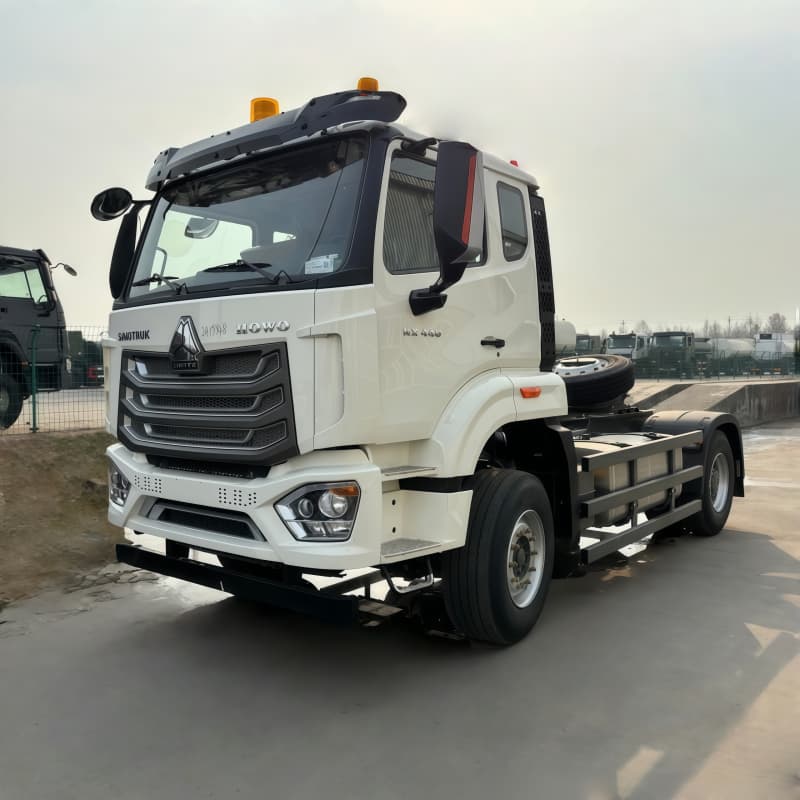 |
HOWO NX Tractor Truck 440HP 4x2Efficient and reliable 4x2 tractor truck equipped with a powerful 440HP engine, ideal for medium to long-distance logistics transportation. |
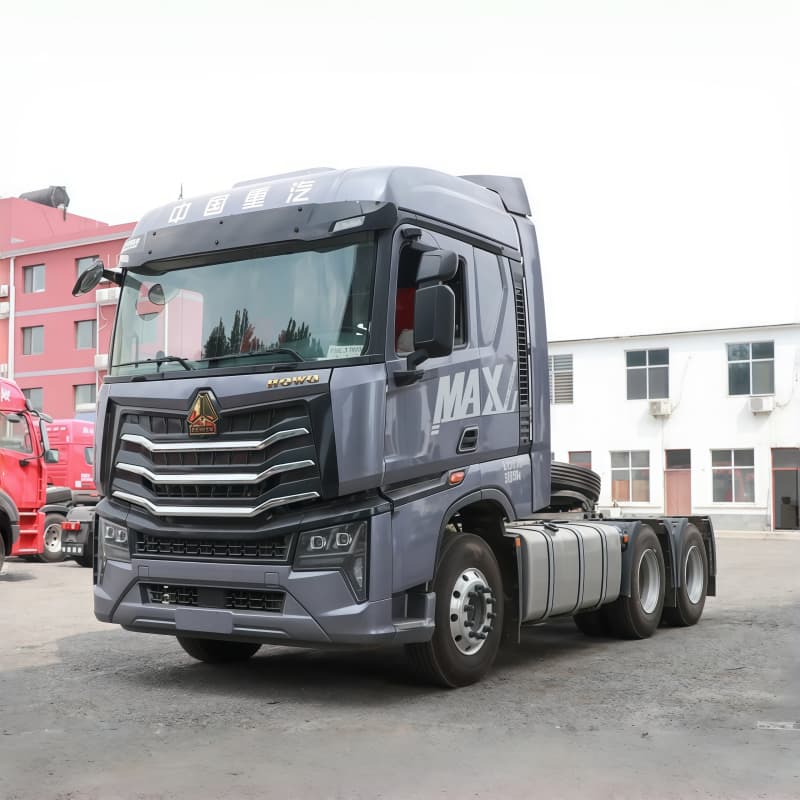 |
HOWO Max Tractor Truck 510HP 6x4 GrayHigh-end heavy-duty tractor truck featuring a robust 510HP engine and modern design, delivering superior fuel efficiency and comfort. |
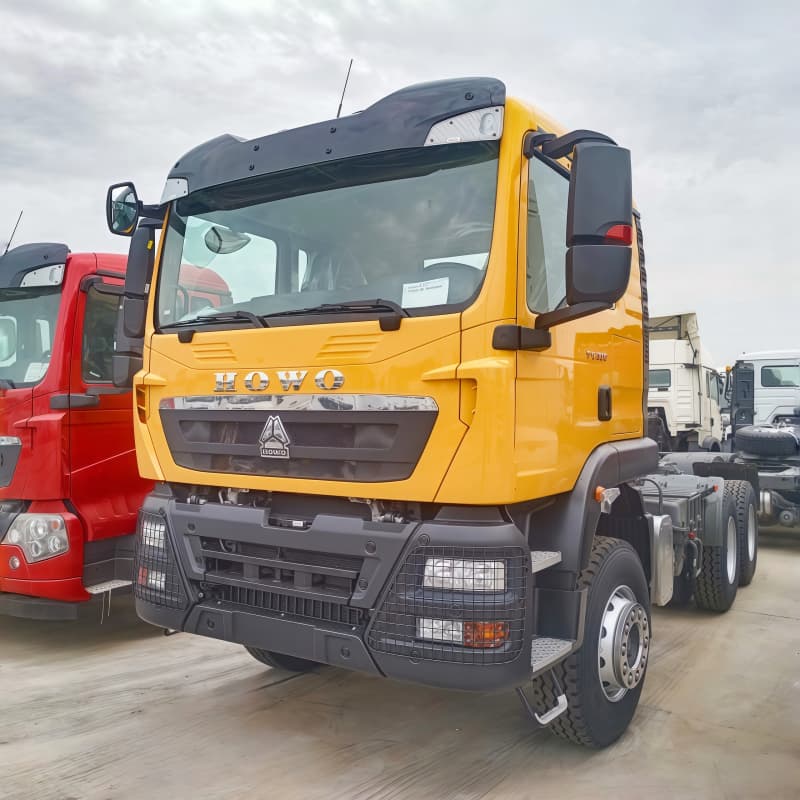 |
HOWO TX Tractor Truck 380HP 6x4A cost-effective 6x4 tractor truck designed for heavy loading and harsh road conditions, featuring high durability and smooth handling. |
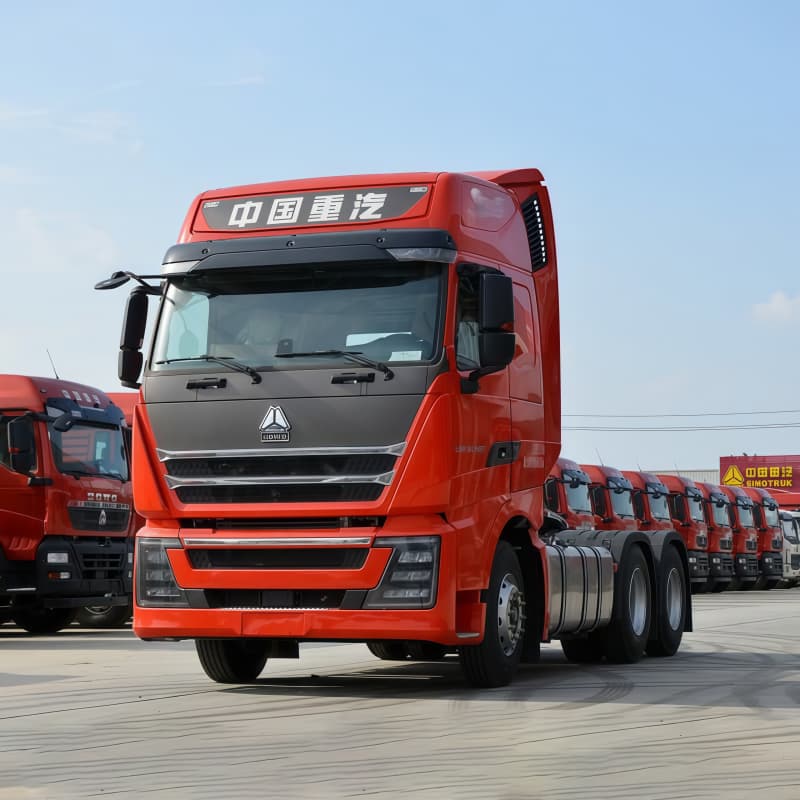 |
HOWO T7H Tractor Truck 430HP/500HP 6x4Premium long-haul tractor truck available in 430HP to 500HP configurations, offering exceptional performance, stability, and safety. |
- Weichai Power Engine: High-displacement engines (ranging from 371HP to 430HP+) delivering high torque at low RPMs for maximum towing capability.
- FAST Transmission: Multi-speed manual or automated manual gearboxes engineered for optimal gear ratio steps and efficient engine braking.
- Hande Axles: Heavy-duty double-reduction or single-reduction drive axles engineered to withstand heavy axle loads and rough road conditions.
Who Benefits Most from Deploying Shacman Prime Movers in West Africa?
These prime movers serve specialized commercial sectors where vehicle reliability directly impacts operational profitability. Fleet managers, port logistics contractors, and mining operators in countries like Ghana, Nigeria, and Côte d'Ivoire rely on these trucks to handle challenging logistics contracts.
Key operator groups include:
- Intermodal Freight Forwarders: Transporting standard 20ft and 40ft shipping containers directly from coastal ports (e.g., Tema Port) to landlocked inland depots.
- Bulk Material Contractors: Hauling aggregate, cement, clinker, and mining output using heavy-duty flatbed or tipping semi-trailers.
- Cross-Border Logistics Providers: Running long-distance routes across West Africa where fuel efficiency, mechanical stability, and spare parts availability are vital.
Operational Fact: Fleet statistics in Ghana demonstrate that utilizing standardized powertrain components like Weichai and FAST reduces off-road maintenance downtime significantly compared to non-standardized commercial platforms.
Where and When Should You Deploy These Commercial Heavy Trucks?
Deploying a brand new Shacman tractor head is ideal when expanding active fleet operations or replacing aged equipment that incurs high maintenance overhead. The primary operating environments involve high-load, high-frequency transit routes, regional distribution corridors, and unpaved industrial or mining access roads.
| Deployment Metric | Specification & Application Guidance |
|---|---|
| Drive Configuration | 6x4 (Dual Drive Axle) for heavy loads and rough terrain; 4x2 for lighter regional container freight. |
| Engine Output Options | 371 HP, 380 HP, 400 HP, 420 HP, to 430 HP+ tailored to gross combination weight (GCW). |
| Optimal Operating Time | Continuous long-distance hauling, multi-shift port shuttle operations, and cross-border transport. |
| Emission Standards | Euro 2 / Euro 3 (optimized for local fuel quality) or Euro 5 standards depending on regional fuel compliance. |
Why Choose a Brand New Shacman Tractor Head over Used Equipment?
While second-hand commercial vehicles may offer a lower initial purchase price, purchasing a brand new unit provides substantial long-term economic advantages. Logistics companies operating in developing infrastructure environments favor factory-new tractor units for several key operational reasons.
- Uncompromised Structural Integrity: Brand new chassis frames possess full fatigue resistance, preventing premature frame twisting or stress fractures under maximum payloads.
- Lower Total Cost of Ownership (TCO): Factory-fresh components minimize unexpected roadside breakdowns, reducing emergency repair costs and maintaining strict delivery schedules.
- Full Manufacturer Warranty Support: Purchasing new units ensures comprehensive warranty coverage and direct support from authorized regional service networks.
- Optimized Fuel Consumption: Factory-calibrated fuel injection systems ensure precise combustion, keeping fuel expenditure manageable over high mileage.
How Does the Procurement, Delivery, and Maintenance Process Work?
Acquiring brand new commercial vehicles for international deployment follows a structured procurement and operational setup framework:
1. Specification Configuration: Selecting drive types (6x4 vs. 4x2), horsepower ratings, cabin configurations (high-roof sleeper vs. standard cabin), and bumper clearance based on route conditions in Ghana.
2. Quality Inspection & Shipment: Pre-delivery inspection at the factory followed by secure shipping via Roll-on/Roll-off (RoRo) or containerized flat-rack vessel to Tema Port.
3. Customs Clearance & Commissioning: Port processing, local registration, fluid checks, and initial road-testing prior to entering active service.
4. Preventive Maintenance Schedule: Establishing regular service intervals for oil changes, filter replacements, and brake inspections using genuine OEM parts.
Frequently Asked Questions
What is the typical load capacity of a 6x4 Shacman tractor head?
A standard 6x4 Shacman tractor unit has a nominal towing capacity ranging from 40 to 80 tons, depending on the axle rating, suspension setup, and local transport regulations.
Why are Weichai engines preferred for heavy trucks operating in Africa?
Weichai engines are widely recognized for their high mechanical tolerance, high low-end torque, ease of maintenance, and compatibility with varying regional diesel fuel quality standards.
How long does shipment take from factory to West African ports like Tema or Lagos?
Ocean freight transit time typically ranges between 30 to 45 days, depending on shipping line schedules, vessel routing, and port congestion factors.
Can brand new tractor units be customized for specific trailer types?
Yes, tractor heads come equipped with standard fifth-wheel couplings (2-inch or 3.5-inch) compatible with flatbed trailers, skeleton container chassis, lowbed trailers, and tanker semi-trailers.